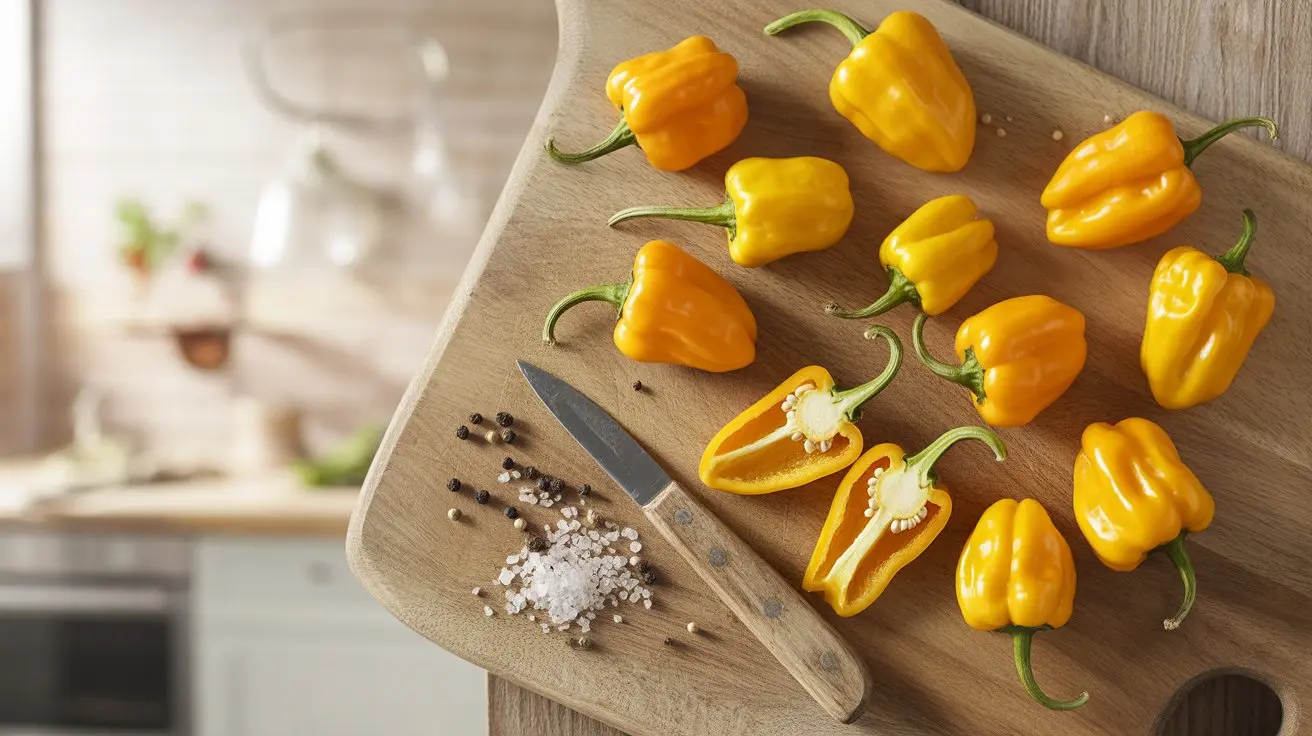
Yellow Scotch Bonnet

The yellow scotch bonnet delivers 100,000–350,000 SHU of Caribbean fire wrapped in a sweet, fruity package. Sunshine-yellow at maturity, it carries the same heat ceiling as its red cousin but with a slightly different aromatic personality. Think tropical fruit and floral heat — this is a pepper that bites back beautifully.
- Species: Capsicum chinense
- Heat tier: Extra-Hot (100K–1M SHU)
- Comparison: 70x hotter than a jalapeño
What is Yellow Scotch Bonnet?
Bite into a yellow scotch bonnet and the first thing you notice is the aroma — bright, almost citrusy, with a floral sweetness that doesn't warn you what's coming. Then the heat lands, building from the back of the throat outward in that characteristic Capsicum chinense wave.
At 100,000–350,000 SHU, this sits comfortably in the extra-hot heat category — roughly 70 times hotter than a jalapeño, or a fair bit more intense than a datil at its hottest. The yellow color indicates full ripeness, and that sunshine hue comes with a noticeably sweeter, more tropical fruit character than red or orange variants.
Botanically, the yellow scotch bonnet belongs to C. chinense, the species responsible for some of the most aromatic hot peppers on the planet. Its bonnet-like shape — squat, wrinkled, with a flattened top — is immediately recognizable to anyone who has cooked Caribbean food seriously.
The flavor profile is where this pepper earns its fans. Underneath the serious heat lives a complexity that straight-heat peppers like cayenne simply cannot offer: mango, papaya, a hint of stone fruit. It's that sweetness that makes jerk marinades, hot sauces, and pepper mashes so distinctive when this variety is involved. You can find similar aromatic intensity in the Surinamese fruity heat of Madame Jeanette, which shares the same C. chinense cultural roots.
For cooks who want the authentic Caribbean flavor profile without hunting for red or orange varieties, the yellow version delivers everything you need.
History & Origin of Yellow Scotch Bonnet
Scotch bonnets trace their roots to the Caribbean basin, where Capsicum chinense peppers have been cultivated for centuries following the Columbian Exchange. The yellow color variant likely emerged through natural selection or deliberate breeding within Jamaica and neighboring islands, though the precise origin timeline remains undocumented.
Jamaica is the country most closely associated with scotch bonnet cultivation — the pepper appears in virtually every traditional Jamaican recipe from jerk to escovitch fish. The yellow form has long existed alongside red and orange variants, used interchangeably in local cooking based on availability and personal preference.
For context on the broader growing tradition, the cultivation characteristics of the standard red scotch bonnet are nearly identical to the yellow form — same plant habit, same heat range, same C. chinense species requirements. The regional pepper traditions documented across origins show how deeply Caribbean cooks have integrated this pepper into their foodways over generations.
How Hot is Yellow Scotch Bonnet? Heat Level & Flavor
The Yellow Scotch Bonnet delivers 100K–350K Scoville Heat Units, placing it in the Extra-Hot tier (100K–1M SHU). That makes it roughly 70x hotter than a jalapeño.
Yellow Scotch Bonnet Nutrition Facts & Health Benefits
Yellow scotch bonnets pack serious nutritional density despite their small size. Vitamin C content is exceptionally high in C. chinense peppers — a single pepper can exceed daily recommended intake. Vitamin A (from carotenoids in the yellow pigment), vitamin B6, and potassium are all present in meaningful amounts.
Capsaicin, the compound responsible for the 100,000–350,000 SHU heat, has documented anti-inflammatory properties and may support metabolism. The intensity and range of this heat tier reflects the significant capsaicin concentration these peppers carry.
Calorie count per pepper is negligible — roughly 5–10 calories per fruit. Dietary fiber, iron, and magnesium round out the micronutrient profile.
Best Ways to Cook with Yellow Scotch Bonnet Peppers
Yellow scotch bonnets function best when their sweetness is allowed to shine alongside the heat. Raw, they're intense — a thin slice into a marinade goes a long way. Cooked down into sauces, that fruitiness deepens and the heat becomes more integrated.
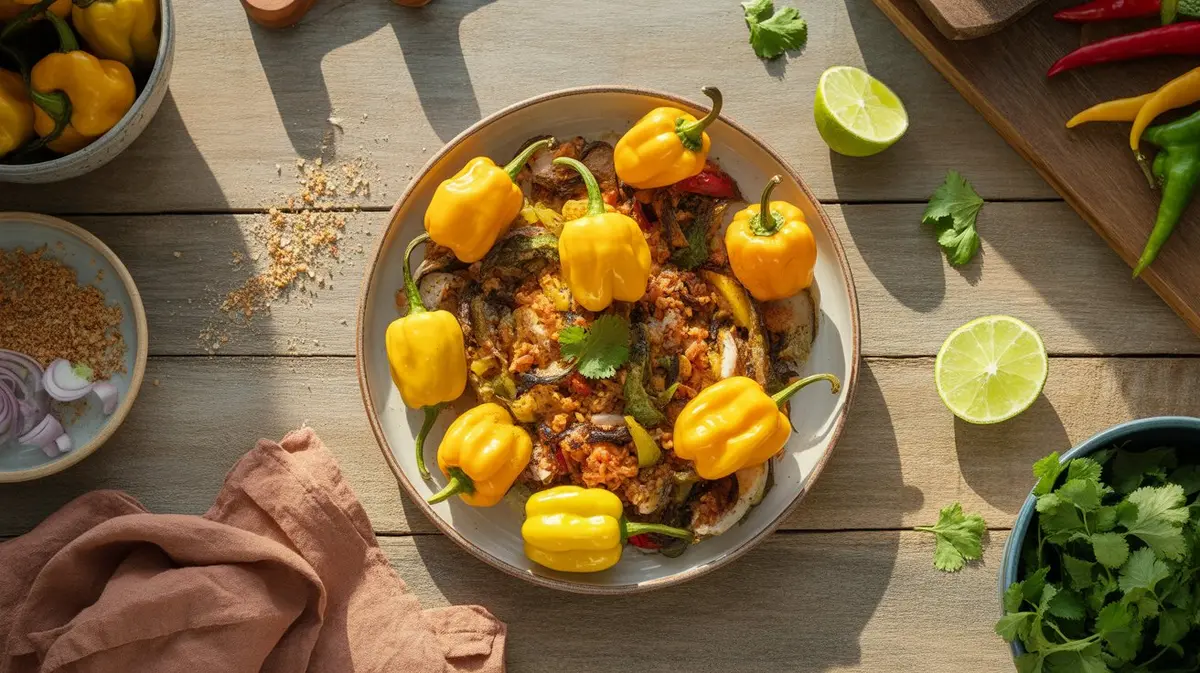
Jerk seasoning is the obvious starting point. A single yellow scotch bonnet, seeded and minced, into a jerk paste with allspice, thyme, and brown sugar creates the foundational Caribbean flavor that no other pepper replicates accurately. The culinary applications of habanero-type peppers overlap here, and in a pinch habanero works as a substitute — but the scotch bonnet's distinct aroma is noticeably different.
For hot sauces, the yellow variety produces a brighter, more golden-colored sauce than red variants. Blend with mango, vinegar, and garlic for something genuinely exceptional. The pale ivory heat of white habanero peppers offers another comparison point for cooks exploring light-colored fruity hot sauces.
A few practical notes: wear gloves when processing these — 100,000+ SHU capsaicin transfers easily to skin and eyes. Remove seeds to moderate heat while preserving flavor. Frozen whole scotch bonnets retain their aromatic compounds well, so buying in bulk when available makes sense.
Pairing targets: coconut milk, citrus, tropical fruits, allspice, thyme, and any protein that benefits from a sweet-heat marinade.
Where to Buy Yellow Scotch Bonnet & How to Store
Fresh yellow scotch bonnets appear in Caribbean grocery stores, specialty produce markets, and some farmers markets during summer and fall. Look for firm fruits with uniform yellow color and no soft spots or wrinkling beyond the natural skin texture.
Fresh peppers keep 1–2 weeks refrigerated in a paper bag or loosely wrapped. For longer storage, freezing whole is the best option — they retain aroma and heat remarkably well. Dried yellow scotch bonnets are less common commercially but can be dehydrated at home at 125°F for 8–12 hours.
For something with comparable heat and a similar deep color, the earthy-sweet intensity of Jamaican hot chocolate peppers is worth seeking out at the same specialty stores.
Best Yellow Scotch Bonnet Substitutes & Alternatives
Whether you ran out of yellow scotch bonnet or just want to try something different, these peppers make solid stand-ins. We picked them based on heat range, flavor overlap, and how well they actually work in the same dishes.
Our top pick: Habanero (100K–350K SHU). The heat level is close enough for a direct swap in salsas, sauces, and stir-fries. Flavor leans fruity and citrusy, so the taste will shift a bit — but the overall heat stays in the same range.
How to Grow Yellow Scotch Bonnet Peppers
Yellow scotch bonnets grow like most C. chinense varieties — slowly, demandingly, and rewarding of patience. Start seeds 8–10 weeks before your last frost date. Germination requires soil temperatures of 80–85°F; a heat mat is not optional in cooler climates.
For anyone newer to hot pepper cultivation, the full germination walkthrough for starting peppers covers the fundamentals that apply here. One common issue with C. chinense seedlings specifically: they stretch aggressively under insufficient light. If your seedlings are getting leggy, the practical guide on fixing leggy pepper seedlings addresses the problem directly.
Transplant outdoors only after nighttime temperatures stay consistently above 60°F. These plants want full sun — 6–8 hours minimum — and well-draining soil with moderate fertility. Heavy nitrogen encourages foliage at the expense of fruit.
Days to maturity runs 90–120 days from transplant, which is long by pepper standards. Consistent moisture matters during fruit set; irregular watering causes blossom drop. Mature fruits turn fully yellow and feel slightly soft — that's your harvest window.
The plants reach 2–4 feet in height and benefit from staking as fruit load increases. Container growing works well in 3–5 gallon pots. For comparison, the pungent African heat of peri-peri matures faster but requires similar heat and sun conditions.
Frequently Asked Questions
-
Both yellow and standard scotch bonnets share the same 100,000–350,000 SHU range, so heat levels are essentially identical. The difference is primarily in color and a slightly sweeter aromatic profile in the yellow variety, not in raw heat intensity.
-
Yes — both sit in the same SHU range and belong to Capsicum chinense, so the substitution is nearly 1:1 by heat. The scotch bonnet has a more distinctly fruity, floral aroma that will shift the flavor profile of your dish noticeably compared to habanero.
-
The flavor carries tropical fruit notes — mango, papaya, and a hint of citrus — with a floral sweetness that comes through clearly before the heat builds. This fruitiness is what makes it irreplaceable in authentic Caribbean cooking rather than just a heat source.
-
The most common causes are temperatures above 90°F or below 60°F during flowering, which causes blossom drop in C. chinense varieties. Inconsistent watering and excessive nitrogen fertilizer are also frequent culprits — back off nitrogen once plants begin flowering.
-
They're less common in mainstream grocery stores but widely available at Caribbean specialty markets and online seed suppliers. Farmers markets in areas with Caribbean communities are often your best bet for fresh fruit during the summer harvest season.
- Chile Pepper Institute - Capsicum chinense Species Overview
- USDA Agricultural Research Service - Capsicum Nutritional Data
- University of the West Indies - Caribbean Pepper Cultivation Research
Species classification: Capsicum chinense — based on published botanical taxonomy.