Ghost Pepper

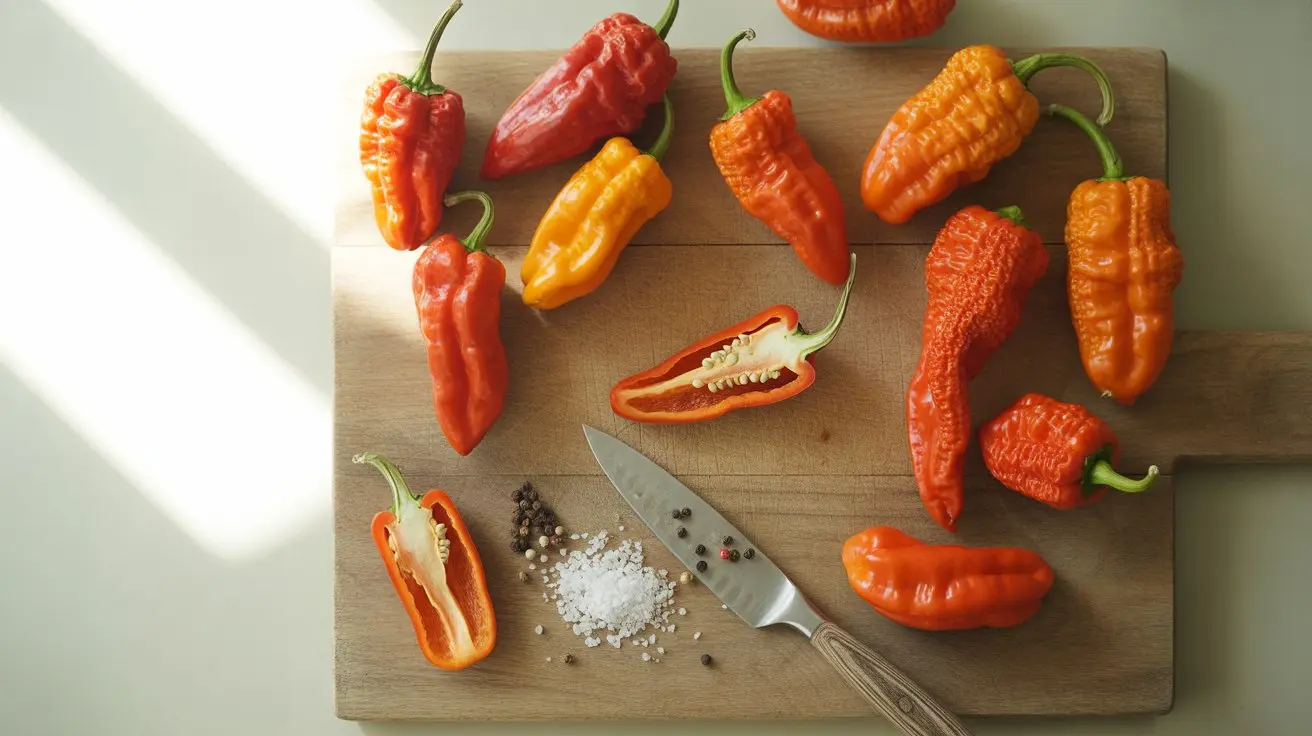
The ghost pepper (Bhut Jolokia) held the Guinness World Record for hottest pepper from 2007 to 2011, measuring 855,000–1,041,427 SHU — roughly 208 times hotter than a jalapeño and about 4 times hotter than a habanero. Native to northeastern India, it carries a smoky-sweet flavor beneath its punishing heat. Handle it with gloves and respect.
- Species: C. chinense
- Heat tier: Super-Hot (1M+ SHU)
- Comparison: 208x hotter than a jalapeño
What is Ghost Pepper?
Long before it became a dare on YouTube, the ghost pepper was a staple of Naga cuisine in Assam, Nagaland, and Manipur — used in traditional pickles, meat preparations, and even as a topical remedy against arthritis. Its local name, Bhut Jolokia, translates loosely to 'ghost chili' in Assamese, though some linguists link 'Bhut' to the Bhutia people of the region rather than the supernatural.
Scientifically, it belongs to C. chinense — the same botanical family as habaneros and Scotch Bonnets, though its heat dwarfs most of its relatives. The pods are elongated, wrinkled, and thin-skinned, ripening from green through orange to a deep red. Typical length runs 2.5–3.5 inches.
In 2007, Guinness officially certified it as the world's hottest pepper after testing by the [Chile Pepper Institute at New Mexico State University](https://cpi.nmsu.edu/). At its peak, it measured 1,041,427 SHU — a figure that shocked the food science world. It has since been surpassed by the scorching fruity intensity of the Carolina Reaper and others in the super-hot category, but the ghost pepper remains the cultural touchstone that introduced mainstream audiences to extreme heat.
History & Origin of Ghost Pepper
Northeastern India's Naga tribes cultivated the ghost pepper for centuries before Western food culture noticed it. Historical accounts from British colonial records mention unusually hot peppers in Assam, but the variety wasn't formally characterized until Indian defense researchers at the Defence Research and Development Organisation (DRDO) began studying it in the early 2000s.
In 2007, Guinness World Records confirmed the Bhut Jolokia as Earth's hottest chili, displacing the Red Savina habanero. That record stood until 2011 when the Trinidad Moruga Scorpion's blistering capsaicin output took the crown.
The pepper's fame spread quickly through online food challenges and hot sauce marketing. India's regional pepper traditions — particularly in Nagaland — remain central to its cultural identity, where it still appears in smoked and fermented preparations passed down through generations.
How Hot is Ghost Pepper? Heat Level & Flavor
The Ghost Pepper delivers 855K–1M Scoville Heat Units, placing it in the Super-Hot tier (1M+ SHU). That makes it roughly 208x hotter than a jalapeño.
Flavor notes: smoky and sweet.
Ghost Pepper Nutrition Facts & Health Benefits
Ghost peppers are rich in vitamin C — a single pod can contain more than 100% of the daily recommended value, though obviously no one eats a full pod in one sitting. They also provide vitamin A, potassium, and dietary fiber.
Capsaicin, the compound driving the heat, has been studied for its potential role in metabolism and pain relief. The receptor science behind capsaicin's burn involves TRPV1 ion channels — the same receptors that respond to heat above 107°F.
Calorie count is negligible — roughly 18 calories per 100g of fresh pepper. The real nutritional story is phytochemical density: ghost peppers contain antioxidant carotenoids that give the ripe pod its red color.
Best Ways to Cook with Ghost Peppers
Working with ghost peppers demands more caution than most cooks expect. The heat doesn't peak immediately — there's a 30-to-60-second delay before the burn fully registers, which means novice cooks often add too much before realizing the damage.
The smoky-sweet flavor underneath the fire is genuinely worth chasing. Dried and powdered ghost pepper adds depth to barbecue rubs, chocolate desserts, and mole-adjacent sauces. A quarter teaspoon of powder in a pot of chili that serves eight will be noticeable but not punishing for most heat-tolerant eaters.
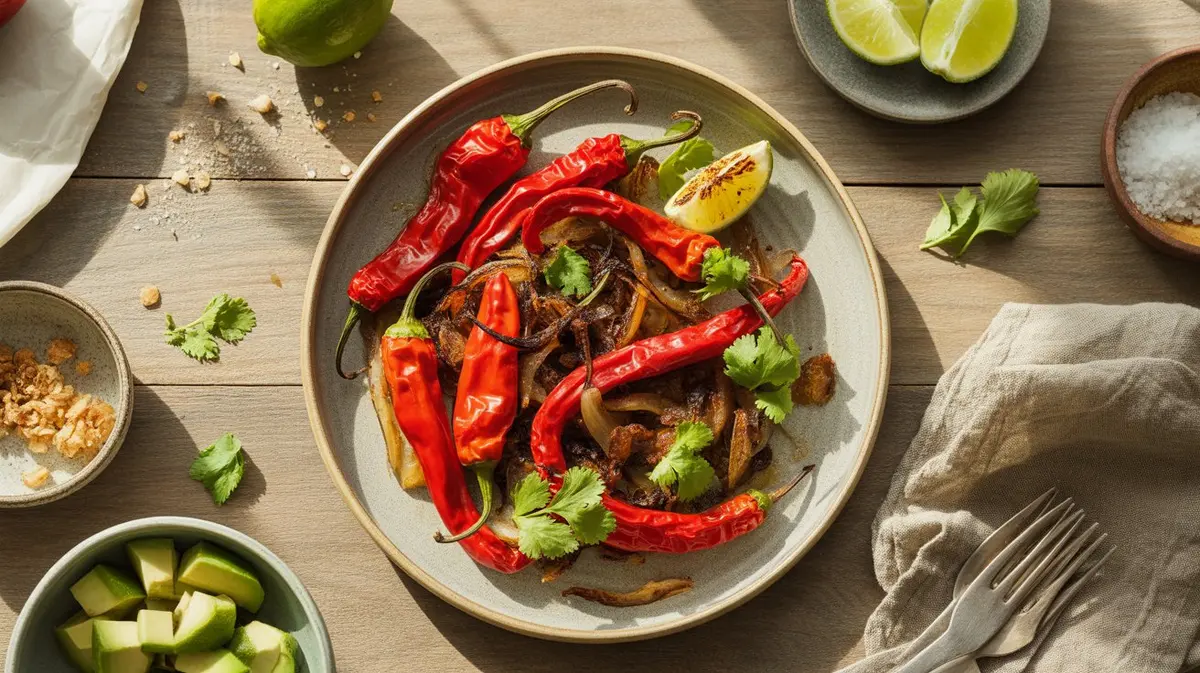
In Naga cooking, fresh pods are combined with fermented fish, dried meats, and bamboo shoots — preparations where the pepper's fruitiness complements fermented umami rather than fighting it. Roasting the pods first tempers the raw sharpness and brings out more of that smokiness.
For hot sauce, ghost peppers blend well with mango, tamarind, or roasted garlic. Compare the yellow variant's bright citrus applications if you want a fruitier base. Wear nitrile gloves when handling fresh pods, and avoid touching your face for several hours after prep — capsaicin oils cling to skin long after washing.
Where to Buy Ghost Pepper & How to Store
Fresh ghost peppers appear at specialty grocers and farmers markets in late summer. Look for pods with taut, unbroken skin and no soft spots. Avoid anything with visible mold at the stem.
Refrigerate fresh pods in a paper bag for up to 1 week. For longer storage, dry them whole in a dehydrator at 135°F for 8–10 hours, then store in an airtight container away from light — dried pods keep for 12+ months.
Powder degrades faster than whole dried pods; buy small quantities and replace every 6 months for best flavor. Frozen fresh pods retain heat but lose texture, making them better for sauces than fresh applications.
Best Ghost Pepper Substitutes & Alternatives
Whether you ran out of ghost pepper or just want to try something different, these peppers make solid stand-ins. We picked them based on heat range, flavor overlap, and how well they actually work in the same dishes.
Our top pick: Bhut Jolokia Chocolate (800K–1M SHU). Same species (C. chinense) and nearly the same heat, so it swaps in at a 1:1 ratio without changing the character of the dish. The flavor leans smoky and fruity, which is close enough that most people won’t notice the difference in a cooked recipe.
How to Grow Ghost Peppers
The hardest part of growing ghost peppers isn't germination — it's maintaining the long, hot season they need to fully ripen. In most of North America, that means starting seeds indoors 10–12 weeks before last frost and providing supplemental heat throughout the season. Plants need daytime temps consistently above 75°F to thrive, and they won't produce well if nights drop below 60°F regularly.
Soil quality matters enormously. Ghost peppers want well-draining, slightly acidic soil (pH 6.0–6.8) with consistent moisture but no waterlogging. Raised beds with amended compost work better than heavy clay.
Fertilize with a lower-nitrogen mix once flowering begins — too much nitrogen pushes leafy growth at the expense of pods. Consistent calcium (through gypite or foliar spray) helps prevent blossom end rot, which ghost peppers are prone to during dry spells.
For growers in short-season climates, learning how to overwinter pepper plants extends your investment significantly — a second-year ghost pepper plant produces far more heavily than a first-year one. See our complete guide to growing ghost peppers for zone-by-zone timing. The cultivation characteristics of the Nagabon hybrid offer an interesting comparison for growers curious about related high-heat varieties.
Frequently Asked Questions
-
The ghost pepper measures 855,000–1,041,427 SHU, while a typical habanero tops out around 350,000 SHU — making the ghost pepper roughly 3–4 times hotter. The burn also behaves differently: habanero heat hits fast and fades, while ghost pepper heat builds slowly and lingers for 20–30 minutes.
-
No — it held the Guinness record from 2007 to 2011 before being surpassed by peppers like the Trinidad Moruga Scorpion and later the Carolina Reaper. The ghost pepper still ranks among the hottest commercially available peppers, but breeders have since developed varieties exceeding 2 million SHU.
-
Beneath the heat, ghost peppers have a genuinely appealing smoky, slightly sweet flavor with subtle fruity notes — characteristics typical of C. chinense peppers. The problem is that the capsaicin overwhelms most palates before the flavor registers fully, which is why dried or powdered forms are easier to appreciate culinarily.
-
Yes, but choose a container at least 5 gallons in volume — ghost pepper plants get large and need root space to produce well. The bigger challenge is season length: potted plants dry out faster and need more consistent watering during the long, hot ripening period these peppers require.
-
Dairy is your best option — milk, yogurt, or ice cream contain casein, a protein that binds to capsaicin molecules and physically removes them from receptors. Water makes it worse by spreading the oil-based capsaicin around rather than neutralizing it.
- Chile Pepper Institute — Bhut Jolokia Research
- Guinness World Records — Hottest Chili Pepper (2007)
- DRDO India — Bhut Jolokia Study Overview
- USDA FoodData Central — Hot Peppers, Nutritional Data
Species classification: C. chinense — based on published botanical taxonomy.