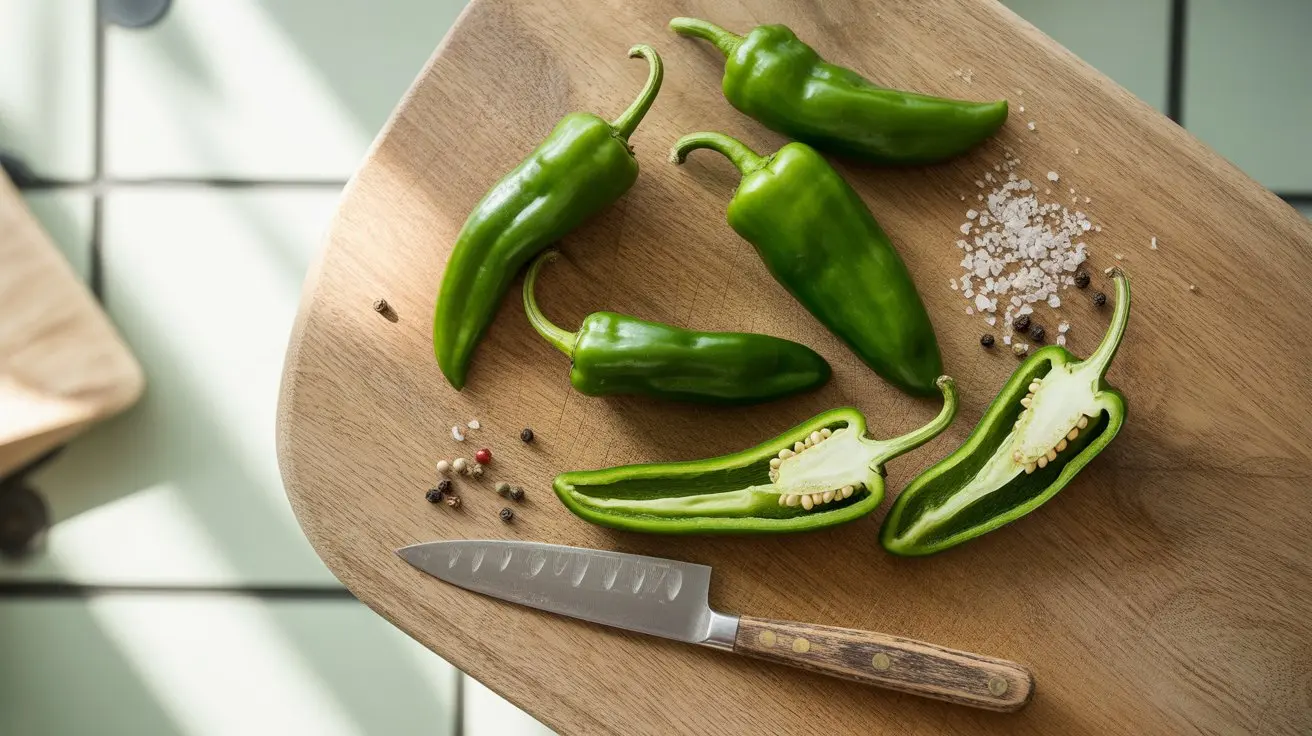

The cheongyang pepper is South Korea's go-to hot chile, registering 10,000–23,000 SHU — roughly five times hotter than a jalapeño. Tapered and bright green turning red at maturity, it brings crisp, clean heat to kimchi, stews, and stir-fries. Korean home cooks and gardeners prize it equally: it grows reliably in warm conditions and produces heavy yields on compact plants.
- Species: C. annuum
- Heat tier: Hot (10K–100K SHU)
- Comparison: 5x hotter than a jalapeño
What is ?
Pull a ripe cheongyang from the vine and the first thing you notice is how clean it looks — a slender, tapered pod about 5–7 cm long, glossy and firm, transitioning from deep green to vivid red as it matures. That visual crispness carries straight into the flavor: bright, sharp, and direct, with almost no sweetness muddying the heat.
At 10,000–23,000 SHU, this sits firmly in the hot pepper zone — noticeably more aggressive than a serrano at its lower end, and genuinely demanding at its upper range. The burn comes on fast and centers on the palate rather than lingering in the throat, which makes it easier to manage in cooked dishes than its SHU number might suggest.
Botanically a Capsicum annuum, the cheongyang shares its species with bell peppers and jalapeños but behaves nothing like either. Plants grow upright, typically 60–80 cm tall, with fruits pointing skyward — a habit that makes them easy to spot and harvest. For Korean cuisine, this pepper is non-negotiable: it's the standard heat source in doenjang jjigae, tteokbokki sauce, and fresh banchan. Outside Korea, it's gaining ground among gardeners who want a productive, reliable hot pepper with genuine culinary purpose rather than novelty heat.
History & Origin of
The cheongyang pepper takes its name from Cheongyang County in South Chungcheong Province, South Korea, where it was developed in the 1980s through hybridization programs aimed at creating a domestically suited hot pepper. Korean agriculture had long relied on chile varieties introduced after the Columbian Exchange reached the peninsula via Japan in the late 16th century, but existing cultivars struggled with local climate conditions.
Agricultural researchers crossed the fiery thin-walled tabasco-style varieties with regional Korean peppers to produce something that thrived in Korean summers while delivering reliable heat. The result became the national standard for hot peppers in Korean cooking — today it accounts for a significant portion of Korea's fresh chile production and appears in virtually every Korean grocery, fresh or dried.
How Hot is ? Heat Level & Flavor
The delivers 10K–23K Scoville Heat Units, placing it in the Hot tier (10K–100K SHU). That makes it roughly 5x hotter than a jalapeño.
Flavor notes: bright and crisp.
Nutrition Facts & Health Benefits
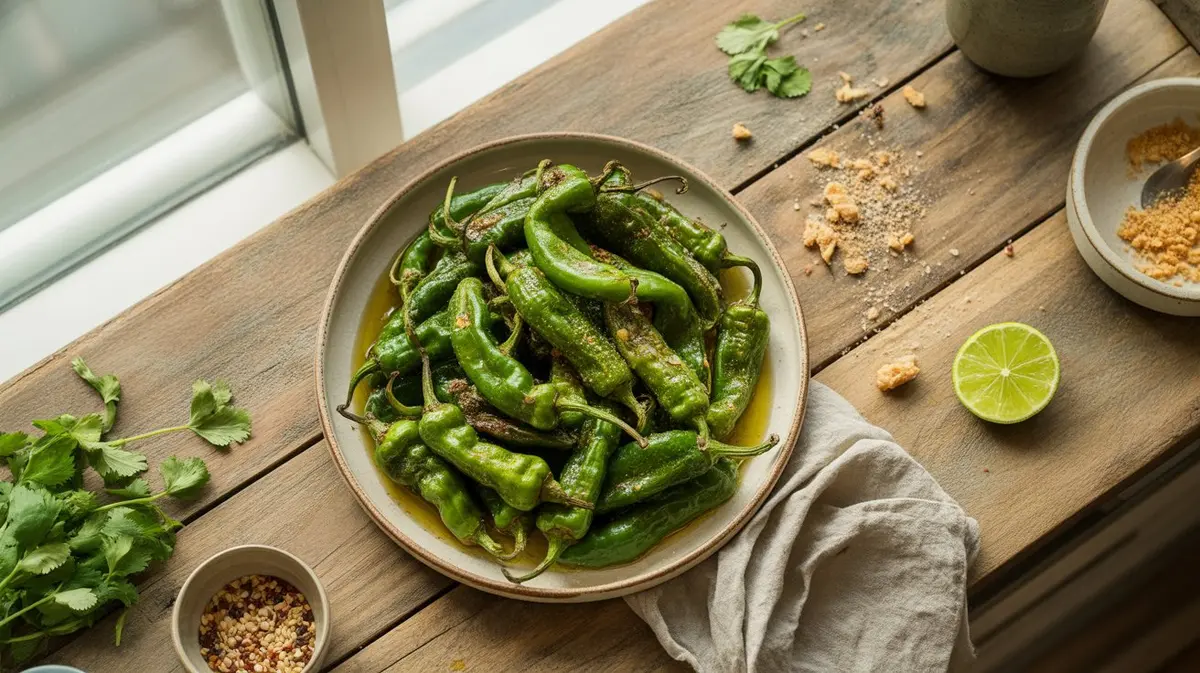
A 100g serving of fresh cheongyang pepper contains roughly 40 calories, with the bulk of that coming from carbohydrates. Vitamin C content is high — hot peppers in this size class typically deliver 100–150% of the daily recommended intake per 100g, though cooking reduces this. Capsaicin, the compound responsible for heat, has been studied for its role in capsaicin-based pain relief applications — topical use is well-documented in clinical settings. The pepper also provides modest amounts of vitamin A, potassium, and vitamin B6.
Best Ways to Cook with Peppers
Sundubu jjigae — soft tofu stew — is where the cheongyang pepper shows what it does best. Sliced thin and added early, it infuses the broth with a clean, penetrating heat that doesn't compete with the tofu's delicate texture. That same quality makes it essential in tteokbokki sauce, where the pepper's brightness cuts through the sweetness of gochujang.
Fresh cheongyang can be eaten whole as a table condiment alongside doenjang paste — a classic Korean pairing where the crisp bite of the pepper contrasts with the fermented depth of the paste. Pickling is also common: thin rounds in rice vinegar with garlic hold their heat remarkably well after several weeks.
For substitution purposes, the pepper sits close to the sharp, vegetal heat of a serrano's culinary applications — both can swap in most recipes at a 1:1 ratio, though cheongyang tends to be slightly more assertive. Dried and ground, it produces a coarse powder that works as a gochugaru substitute when you want more heat. Compared to the fruity citrus-forward heat of the Peruvian lemon drop, cheongyang reads as cleaner and more linear — better for savory braises, less suited to ceviche.
Where to Buy & How to Store
Fresh cheongyang peppers appear in Korean grocery stores year-round, often labeled simply as "hot green pepper" or by their Korean name (청양고추). Look for pods that are firm, glossy, and free of soft spots — a slightly waxy surface is normal. Avoid any with shriveling near the stem.
Refrigerate unwashed in a paper bag or loosely wrapped in a dry cloth; they hold well for 1–2 weeks this way. For longer storage, slice and freeze on a sheet tray before transferring to a bag — frozen cheongyang retains its heat and works fine in cooked applications. Dried whole pods keep for 6–12 months in an airtight container away from light.
Best Substitutes & Alternatives
Whether you ran out of or just want to try something different, these peppers make solid stand-ins. We picked them based on heat range, flavor overlap, and how well they actually work in the same dishes.
Our top pick: Serrano Pepper (10K–23K SHU). Same species (C. annuum) and nearly the same heat, so it swaps in at a 1:1 ratio without changing the character of the dish. The flavor leans bright and crisp, which is close enough that most people won’t notice the difference in a cooked recipe.
How to Grow Peppers
Start seeds 8–10 weeks before your last frost date indoors. Cheongyang germinates best at 26–29°C (80–85°F) — a heat mat under the tray makes a real difference. Germination typically runs 10–14 days, faster than many C. annuum varieties. For a full walkthrough on timing and soil prep, the seed germination and care guide covers the essentials.
Transplant outdoors once nighttime temps stay reliably above 15°C (60°F). Space plants 45–50 cm apart in full sun — at least 6 hours daily. These plants are compact but heavy producers, so they benefit from a simple stake or cage once pods start setting. Soil should drain well; cheongyang does not tolerate wet feet. A balanced fertilizer at transplant, then a low-nitrogen, higher-phosphorus feed once flowering begins, keeps production strong.
Pods reach harvestable green stage in roughly 70–75 days from transplant. Leaving them to ripen red deepens the heat slightly and adds a subtle sweetness. In humid climates, watch for anthracnose — the same fungal issue that affects the similarly thin-walled de arbol's susceptibility to moisture. Overhead watering accelerates it; drip irrigation is the better choice. Expect 30–50 pods per plant in a healthy season.
Frequently Asked Questions
-
The cheongyang ranges 10,000–23,000 SHU, which overlaps with serrano at the low end but extends significantly hotter at its peak. At maximum heat, a cheongyang can be nearly twice as intense as a typical serrano, which tops out around 23,000 SHU but averages closer to 10,000–15,000 in most commercial harvests.
-
Dried and ground cheongyang can substitute for gochugaru when you want more heat, but the flavor profile differs — gochugaru is milder, slightly sweet, and fruity, while ground cheongyang is sharper and more pungent. Start with half the amount called for and adjust upward to control intensity.
-
Yes — red-ripe cheongyang peppers tend to sit toward the upper end of the 10,000–23,000 SHU range compared to green-harvested pods. The ripening process also adds a subtle sweetness that partially offsets the increased capsaicin, making red pods slightly more complex in flavor.
-
Not particularly — as a Capsicum annuum, the cheongyang adapts well to any climate that supports tomatoes, requiring full sun and warm nights above 15°C. Gardeners in USDA zones 7–11 can grow them outdoors; cooler climates do fine with container growing or a greenhouse extension at either end of the season.
-
Seeds are available through Korean seed suppliers online and increasingly through specialty US seed companies like Baker Creek and various Asian vegetable seed retailers. The variety is sometimes listed under its romanized name "Cheongyang" or as "Korean hot pepper" — check the SHU range on the listing to confirm you're getting the right cultivar.
- Rural Development Administration, Republic of Korea - Cheongyang Pepper Variety Development
- Chile Pepper Institute, New Mexico State University - Capsicum annuum Varieties
- USDA FoodData Central - Raw Hot Chili Peppers Nutritional Profile
Species classification: C. annuum — based on published botanical taxonomy.