What Is Shichimi Togarashi? Seven Flavors Explained
Shichimi togarashi is a Japanese seven-flavor seasoning. Red chile leads a variable blend of sansho, sesame, citrus peel, ginger, perilla, seaweed, or other seeds and aromatics.
What exactly is shichimi togarashi?
Shichimi togarashi is a Japanese seasoning that combines red chile with six other flavor elements. The name translates to seven-flavor chile pepper, but it describes a format rather than one universal recipe.
The blend is dry, coarse, and layered. Fine chile reaches the tongue quickly, while sesame, citrus peel, herbs, and whole spice particles release aroma or texture as you chew.
The number seven organizes the blend. A maker can change ingredients and ratios while preserving the idea of chile plus six complementary elements.
Shichimi is normally used as a finishing condiment, not as a bulk curry powder or soup base. A pinch should sharpen a dish without burying its broth, grilled surface, or main seasoning.
The full name is often shortened to shichimi. Keeping togarashi in the name helps distinguish the blend from unrelated seven-spice mixtures in other cuisines.
What are the seven ingredients in shichimi?
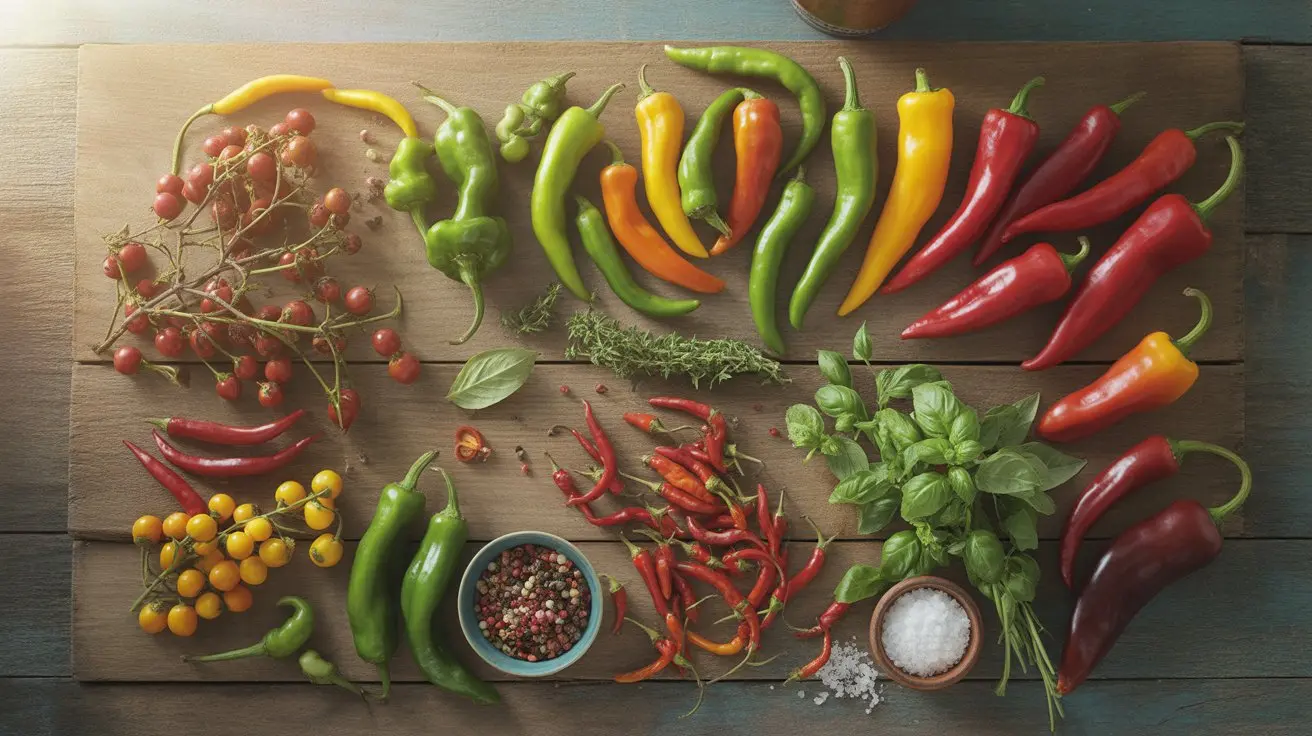
Red chile is the anchor, while the other six positions can come from seeds, citrus peel, sansho, herbs, sea vegetables, ginger, or a second treatment of chile. That flexibility explains why two authentic blends can look and taste different.
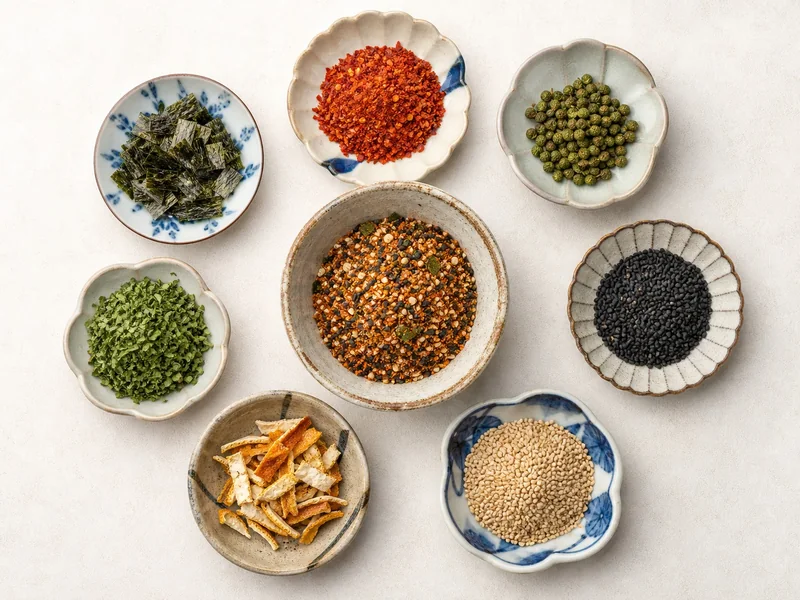
| Ingredient family | Common examples | What it contributes |
|---|---|---|
| Chile | Coarse red pepper and roasted chile | Heat, red color, fruit, and toasted depth |
| Japanese pepper | Ground sansho | Citrus-like aroma and a light tingling sensation |
| Seeds | Black sesame, white sesame, hemp, or poppy | Nutty aroma, crunch, and visual contrast |
| Citrus | Dried mandarin or yuzu peel | Bright aroma that lifts rich food |
| Leaves | Green shiso or perilla | Herbal freshness and green color |
| Sea vegetables | Nori or aonori | Marine savoriness and grassy aroma |
| Rhizome spice | Ground ginger | Dry warmth and a clean finish |
Japan's Ministry of Agriculture lists chile, sansho, hemp seed, white and black sesame, green laver, and green shiso among the main materials in Kyoto shichimi. It also notes that mandarin peel, yuzu peel, and ginger may enter shop-specific formulas.
Yawataya Isogoro identifies an even wider working set that includes roasted chile, poppy seed, ginger, perilla, and hemp seed. These are documented options, not a command to put every item into the same jar.
Why can chile count as two ingredients?
Some classic formulas use both fresh-tasting dried chile and roasted chile as separate elements. Roasting changes aroma and bitterness enough that the two treatments perform different jobs within the seven-part structure.
This also means a label may show fewer than seven obvious ingredient names. One raw material can appear in two processed forms, while black and white sesame may be counted separately by another maker.
Where did shichimi togarashi come from?
The Tokyo maker Yagenbori dates its shichimi business to 1625, when Tokuemon opened near the Yagenbori Canal in Edo. The shop says nearby herbalists and apothecaries inspired a seven-part seasoning built around chile.
That history fits the Edo-period setting after chile peppers had entered Japan through overseas trade. The blend then moved from an urban specialty into a condiment associated with temple approaches, travel, and regional food.
| Date | Place and maker tradition | Why it matters |
|---|---|---|
| 1625 | Yagenbori in Edo, now Tokyo | The maker records the creation and sale of its seven-flavor chile blend |
| 1655 | Shichimiya tradition near Kiyomizu-dera in Kyoto | Kyoto developed an aroma-led style suited to delicate local food |
| 1736 | Yawataya Isogoro at Zenkoji Temple in Shinshu | Local hemp, sesame, ginger, perilla, and sansho shaped a distinct formula |
Yawataya records that six of its seven materials could be produced around Nishiyama. Dried mandarin peel traveled from the Kamigata area because a dry ingredient could survive transport.
The exact origin stories belong to the makers that preserve them, so they should not be collapsed into one neat recipe legend. What the records share is a durable business model built on portable dry ingredients and local blending.
Is shichimi the same as togarashi, ichimi, or nanami?
Togarashi means chile pepper and can refer to the plant, its fruit, or a chile seasoning. Shichimi and ichimi specify how many flavor elements are in the condiment.
| Label | Literal idea | What the package normally contains | Best use |
|---|---|---|---|
| Togarashi | Chile pepper | An umbrella term, so context matters | Confirm the full label before buying |
| Ichimi togarashi | One-flavor chile | Plain ground red chile | Choose when clean heat is the goal |
| Shichimi togarashi | Seven-flavor chile | Chile plus six aromatic or textural elements | Choose for layered finishing flavor |
| Nanami togarashi | Seven-flavor wording on some export products | A related blend whose formula depends on the maker | Read the ingredients and ratios |
Ichimi is not a simplified brand of shichimi. It answers a different need because every grain is chile and there are no sesame, citrus, herb, or sansho notes to change the food.
Nanami is most useful as a label-reading warning. Do not assume a nanami jar matches a domestic shichimi formula simply because both refer to seven flavors.
What does shichimi taste like, and is it hot?
Shichimi can taste hot, citrusy, nutty, herbal, toasted, and lightly marine in one pinch. The exact order depends on particle size as much as ingredient ratio.
Fine chile powder touches more of the tongue immediately. Larger sesame seeds and peel release later, while sansho adds a tingling, citrus-like sensation that differs from the sustained burn of capsaicin.
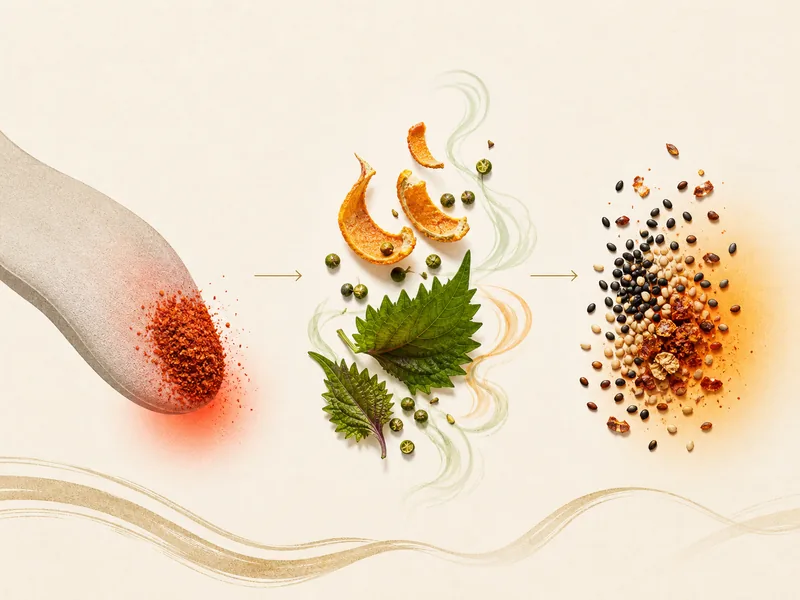
| Stage | Likely ingredients | What changes the sequence |
|---|---|---|
| First contact | Fine chile and salt, when present | Finer powder spreads faster across the tongue |
| Mid-bite | Sansho, citrus peel, shiso, and seaweed | Freshness and proportion control aromatic strength |
| Finish | Sesame, roasted chile, hemp, and poppy | Chewing releases oils and toasted notes |
This is a sequence, not a laboratory intensity scale. A maker can reverse the balance by using more sesame and peel or by grinding the chile more coarsely.
No single Scoville value applies to shichimi because Scoville Heat Units describe capsaicinoid concentration, while the jar is a variable mixture. A chile-heavy blend can feel much hotter than an aroma-led one even when both contain seven components.
Start with a small pinch. Sansho tingle can make the sensation feel more complex, but chile ratio and grind determine most of the lasting burn.
How do Tokyo, Kyoto, and Shinshu blends differ?
Tokyo, Kyoto, and Shinshu are widely recognized shichimi traditions, yet each shop keeps its own formula. Regional names describe a tendency, not a protected recipe that every jar must copy.
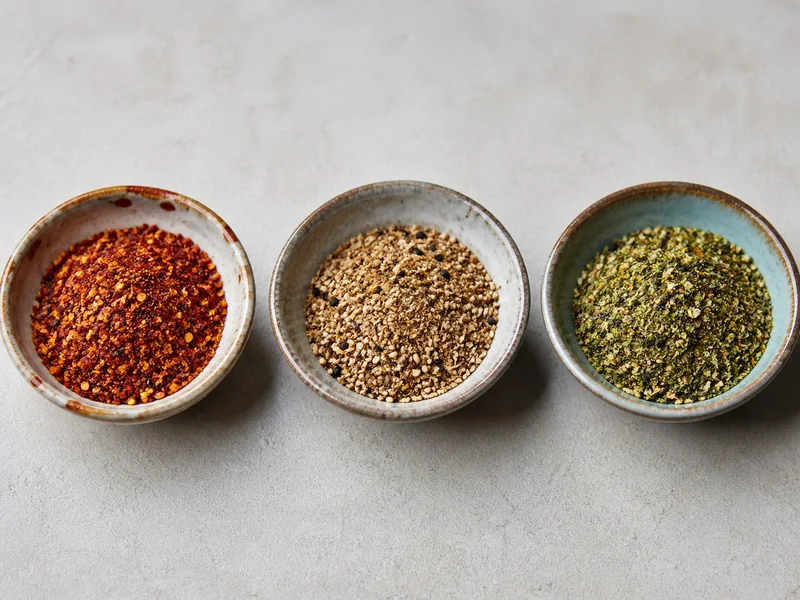
| Tradition | Documented emphasis | What you may notice |
|---|---|---|
| Tokyo or Edo | Fresh and roasted chile, black sesame, sansho, mandarin peel, poppy, and hemp | A redder blend with clear heat and toasted depth |
| Kyoto | Chile, sansho, sesame, green laver, shiso, and other aromatic materials | Moderate heat with stronger herb and fragrance cues |
| Shinshu | Chile, sesame, ginger, perilla, hemp, sansho, and mandarin peel | Warm spice, seeds, and local mountain ingredients |
MAFF describes Kyoto shichimi as relatively mild and rich in aroma, suited to delicate Kyoto cooking. Yagenbori's own formula gives roasted chile a distinct place, while Yawataya's history explains the agricultural logic behind its Shinshu ingredients.
Modern makers can also create yuzu-heavy, sansho-heavy, or extra-hot variants within the same regional business. The ingredient list remains a better predictor than the city name alone.
How should you choose a shichimi blend?
Choose the blend by the effect you want on food. Ingredient order, visible grind, and the first few components tell you more than a claim such as authentic or premium.
| Your priority | Look for | Be cautious when |
|---|---|---|
| More heat | Chile listed first, roasted chile as a separate element, finer red particles | Sesame and peel dominate the visible blend |
| More citrus and tingle | Sansho, mandarin, or yuzu high on the list | The jar is old or stored in clear glass under bright light |
| More texture | Coarse sesame, hemp, poppy, and peel | You need an even coating on a very smooth food |
| More savory herb aroma | Shiso, nori, or aonori | The dish already has strong seaweed flavor |
| Plain chile heat | Choose ichimi instead | You do not want seed, citrus, or herb flavors |
Inspect allergen statements carefully because sesame is common and commercial facilities may handle additional seeds or nuts. Hemp and poppy seeds also matter for personal, workplace, travel, or testing restrictions even when they are legal food ingredients.
Check added salt rather than assuming shichimi is salty. Many classic blends contain no salt, while flavored snack seasonings can combine shichimi with salt or other powdered ingredients.
Best-practice purchase: buy a small container from a maker that lists every ingredient. Volatile citrus, herb, and sansho aromas are more valuable fresh than a large bargain jar that takes years to finish.
What foods go well with shichimi togarashi?
Shichimi is most useful on hot, moist, or lightly fatty food where a small pinch can cling and release aroma. It should add a second layer to the dish rather than replace the broth, glaze, or seasoning already present.
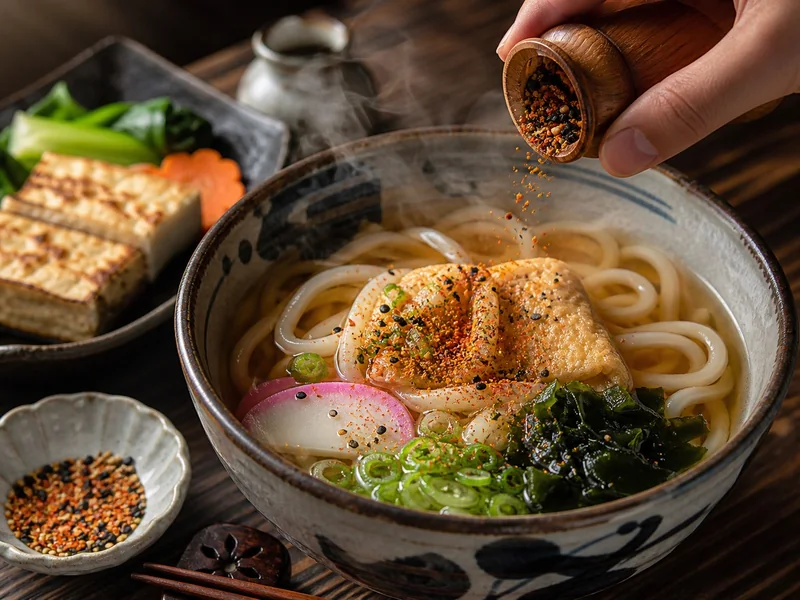
- Udon, soba, and ramen. Dust the surface after serving so the blend stays near the first bites instead of sinking during cooking.
- Miso soup, hot pots, and stews. Season each bowl so diners control heat and aroma.
- Yakitori, grilled fish, meat, tofu, and vegetables. Sprinkle after cooking while surface moisture or glaze can still hold the particles.
- Rice, eggs, and noodles. Use a small pinch to add color and crunch without turning the whole dish into chile powder.
- Popcorn, fries, and roasted snacks. Toss with a thin film of oil so coarse seeds and peel adhere.
How much shichimi should you use?
Begin with one small pinch per bowl or serving, then taste. A fine, chile-led blend may need less than a coarse Kyoto-style blend rich in sesame and herbs.
Sprinkling from close range concentrates the seasoning where you can see it. Shaking high above the plate scatters fine chile into the air and makes the dose harder to judge.
Can shichimi replace other chile seasonings?
It can replace plain chile flakes when citrus, sesame, sansho, and herb notes suit the dish. It is a poor one-for-one replacement when a recipe needs only clean heat or a smooth red color.
Use ichimi or another plain red pepper for predictable chile flavor. Use furikake when seaweed, sesame, and savory rice seasoning matter more than heat, while checking whether that blend contains salt or fish-based ingredients.
When should you add shichimi?
Add shichimi after cooking or during the final minute when you want its full citrus, sansho, sesame, and herb aroma. Long simmering dulls volatile notes and leaves coarse particles at the bottom of the pot.
Earlier addition can work when roasted chile and ginger are meant to merge into a glaze or marinade. Keep a second pinch for serving if the finished dish also needs fresh top notes.
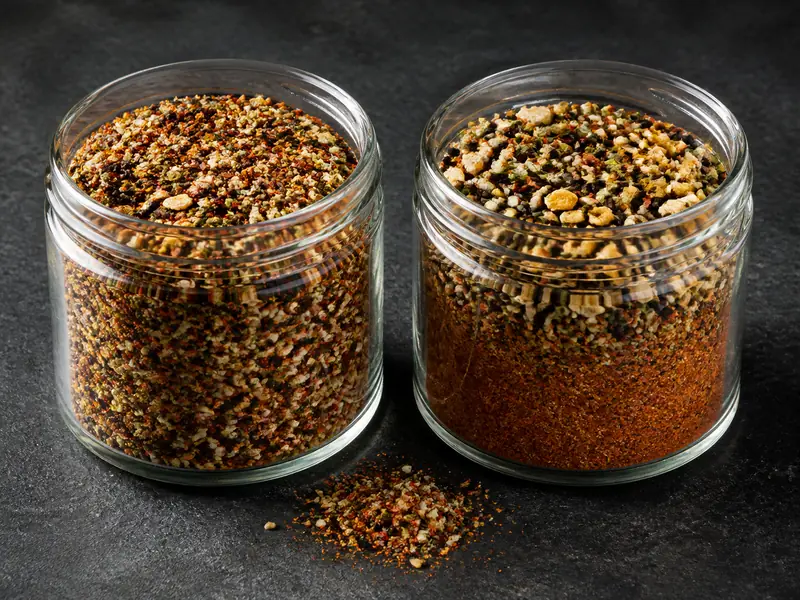
Fine chile powder settles through gaps between larger sesame, hemp, peel, and herb pieces as the container moves. One pinch from the top of a settled jar can taste seed-heavy, while the last portion can be unexpectedly hot.
- Close the lid first. This prevents a cloud of fine chile from escaping.
- Turn or shake the container gently. Two or three movements are enough to redistribute particles.
- Sprinkle near the food. Short distance improves control and reduces airborne powder.
- Taste before repeating. Heat and sansho intensity vary by maker.
How should you store shichimi togarashi?
Keep shichimi airtight, dry, cool, and away from direct light. A closed cupboard separated from the stove protects the blend better than an open rack above steam and heat.
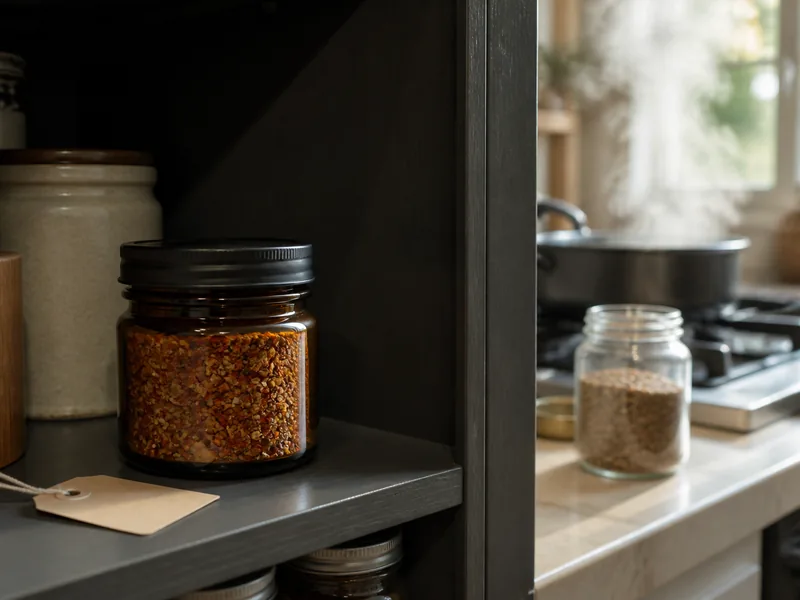
Heat and oxygen weaken citrus peel, shiso, seaweed, and sansho aromas. Moisture creates clumps and can introduce a food-safety problem, especially when users shake the jar directly over a steaming pot.
Pour the needed amount into a dry spoon or dish instead of holding the open container above steam. Close the lid promptly and avoid returning unused seasoning that has touched food.
A faded blend and a contaminated blend are different problems. Weak aroma signals lost quality, while mold, insects, damp clumps, or an abnormal odor require disposal.
Follow the maker's best-before date, then use smell and texture to judge quality after opening. Replacing a small tired jar usually improves food more than compensating with larger amounts of flavorless spice.