Trinidad Perfume

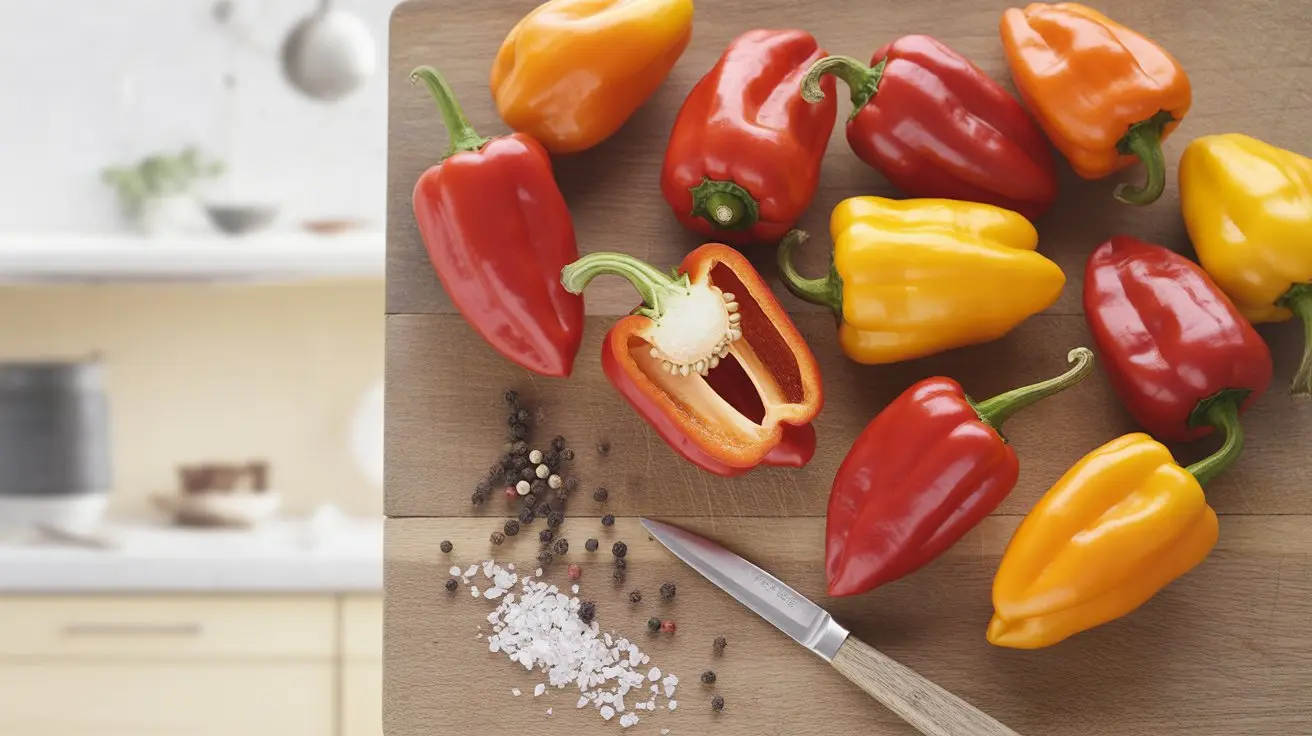
The Trinidad Perfume is a C. chinense variety from Trinidad that registers just 0–500 SHU — essentially no heat — while delivering an intensely fruity, floral aroma that smells almost exactly like its habanero relatives. It is the rare sweet pepper that carries the nose of a hot pepper without the burn, making it one of the most distinctive mild varieties you can grow.
- Species: C. chinense
- Heat tier: Mild (0–999 SHU)
What is Trinidad Perfume?
Crack open a Trinidad Perfume and the first thing that hits you is the smell — a heady, tropical fragrance that would be right at home on a habanero. The taste follows through with ripe mango, citrus, and a faint floral sweetness that lingers on the palate.
At 0–500 SHU, this sits firmly in the mild pepper range — closer to a sweet bell than anything that will challenge your heat tolerance. That makes it unusual among C. chinense varieties, a species known for producing some of the world's hottest peppers. The Trinidad Perfume is the botanical exception: all the aromatic complexity of its scorching cousins, none of the fire.
The pods grow in a classic lantern shape, typically 1–2 inches long, ripening from green through yellow to a warm orange-red. The walls are thin compared to commercial sweet peppers, which concentrates the flavor and fragrance.
Because capsaicin is what drives the burn in most peppers, the near-absence of it here is what makes the Trinidad Perfume so interesting to cooks and growers alike. You get the botanical family's characteristic depth of flavor without needing to manage heat levels in a dish. It is a pepper that rewards curiosity.
History & Origin of Trinidad Perfume
Trinidad Perfume originates from Trinidad and Tobago, where the broader regional pepper tradition has long produced both scorching and sweet C. chinense varieties side by side. The island's culinary culture prizes aromatic peppers in sauces, marinades, and fresh preparations, and the Trinidad Perfume fits squarely into that tradition.
The variety appears to have developed as a naturally low-capsaicin mutation within the chinense species — the same genetic lineage that produced the Scotch Bonnet and habanero. It gained wider attention in North American seed-saving communities during the 1990s and early 2000s as growers sought flavorful alternatives to standard sweet peppers.
Today it remains a specialty variety, rarely found in commercial markets but well-established in heirloom seed catalogs and among home growers interested in flavor-forward, heat-free peppers.
How Hot is Trinidad Perfume? Heat Level & Flavor
The Trinidad Perfume delivers 0–500 Scoville Heat Units, placing it in the Mild tier (0–999 SHU).
Flavor notes: fruity and floral.
Trinidad Perfume Nutrition Facts & Health Benefits
Like most sweet C. chinense varieties, Trinidad Perfume is low in calories and high in vitamin C — a single fresh pepper can provide a meaningful portion of the daily recommended intake. The thin walls mean less water content per gram than bell peppers, slightly concentrating nutrients.
Red-ripe pods contain more beta-carotene than green ones, which the body converts to vitamin A. The pepper also provides small amounts of potassium, folate, and vitamin B6. Because capsaicin is nearly absent, you miss the minor metabolic effects associated with hot peppers, but the antioxidant profile from the carotenoids remains intact.
Best Ways to Cook with Trinidad Perfume Peppers
The aroma is the whole point here. Before you even taste a Trinidad Perfume, the fragrance — tropical, almost perfumed — tells you something interesting is about to happen. That scent carries directly into the flavor: ripe fruit, citrus zest, faint floral notes, and a clean sweetness with none of the grassy edge common in bell peppers.
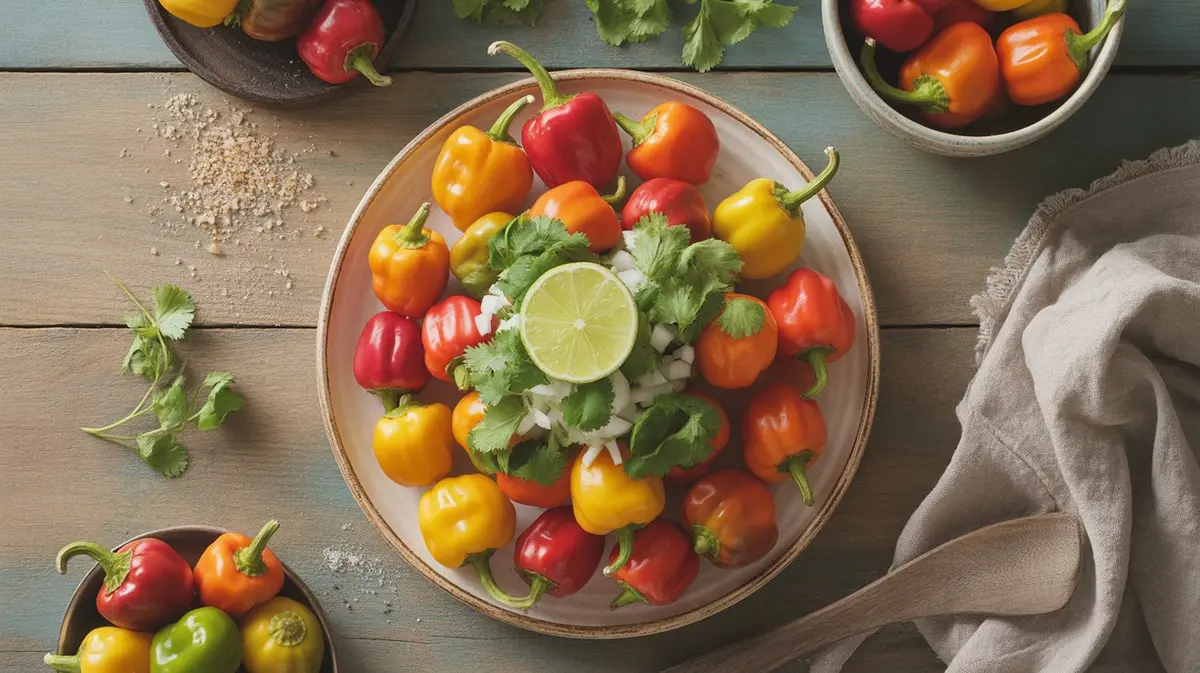
Raw applications show it off best. Slice thin into ceviche, fruit salsas, or fresh relishes where the aroma can bloom. It works beautifully alongside pineapple, mango, and lime — the flavor profile is complementary rather than competing.
Cooked, it softens quickly given its thin walls. Roasting concentrates the sweetness; a quick sauté in butter or coconut oil preserves more of the floral character. It makes an excellent base for hot sauces where you want the chinense flavor profile without heat — blend it with sweet smoked mild peppers for depth, or use it as the aromatic backbone in a Caribbean-style marinade.
For anyone who enjoys the mild tangy bite of pickled pepperoncini but wants a fruitier, more fragrant alternative, Trinidad Perfume pickles beautifully in a light vinegar brine. The thin walls absorb the brine quickly — 24–48 hours is often enough for a refrigerator pickle.
Where to Buy Trinidad Perfume & How to Store
Trinidad Perfume rarely appears in grocery stores — your best source is a specialty grower at a farmers market or an heirloom seed catalog if you want to grow your own. Look for pods with firm, unbroken skin and a strong fragrance; the aroma is the quality indicator here.
Fresh pods keep 1–2 weeks refrigerated in a paper bag or open container — avoid sealed plastic, which traps moisture and accelerates softening. For longer storage, freeze whole or sliced; the thin walls freeze and thaw without becoming too mushy. Dehydrating concentrates the floral flavor nicely for use in spice blends.
Best Trinidad Perfume Substitutes & Alternatives
Whether you ran out of trinidad perfume or just want to try something different, these peppers make solid stand-ins. We picked them based on heat range, flavor overlap, and how well they actually work in the same dishes.
Our top pick: Banana Pepper (0–500 SHU). The heat level is close enough for a direct swap in salsas, sauces, and stir-fries. Flavor leans mild and tangy, so the taste will shift a bit — but the overall heat stays in the same range.
How to Grow Trinidad Perfume Peppers
Growing Trinidad Perfume follows the same rhythm as other C. chinense varieties, which means patience is required. Start seeds indoors 10–12 weeks before last frost — germination can be slow, often 14–21 days at soil temperatures of 80–85°F. Bottom heat from a seedling mat makes a real difference.
For anyone new to the species, the germination and full growing walkthrough covers the fundamentals well. Trinidad Perfume is considered approachable for the species — it is more forgiving of temperature swings than many of its hotter chinense relatives.
Transplant after all frost risk has passed into full sun with well-draining soil. Spacing matters more than many growers expect; the practical guidance on pepper plant spacing explains why crowding reduces airflow and invites disease. Aim for 18–24 inches between plants.
Plants reach 24–36 inches tall and produce prolifically once established. The thin-walled pods ripen from green to orange-red in approximately 80–90 days from transplant. Consistent moisture during fruit set prevents blossom drop. Compared to the similarly easy-to-grow sweet Italian type known for zero-heat frying, Trinidad Perfume needs a longer warm season but rewards with more complex flavor.
Frequently Asked Questions
-
At 0–500 SHU, it registers essentially zero heat — most tasters perceive no burn whatsoever. This puts it at the same level as a sweet bell pepper on any standard pepper rating scale.
-
The floral, fruity aroma comes from volatile compounds called pyrazines and esters that are shared across the C. chinense species — they are separate from capsaicin, which is what causes heat. Trinidad Perfume carries the aromatic chemistry of its hot relatives without the capsaicin production.
-
It has far more aromatic complexity than the sweet roasted-pepper richness of piquillo-style varieties or standard bells. The fragrance and tropical fruit flavor set it apart from most peppers in the mild heat category.
-
It works as a flavor substitute when you want the chinense aroma without heat — useful in sauces, marinades, and salsas. Keep in mind you will need to add heat separately if the recipe calls for it, since the Trinidad Perfume contributes none.
-
It grows well in USDA zones 9–11 in-ground and in containers in cooler zones with a long enough warm season. The main requirement is consistent warmth — like all chinense varieties, it struggles if temperatures drop below 60°F during the growing period.
- Chile Pepper Institute - New Mexico State University
- Baker Creek Heirloom Seeds - Trinidad Perfume Pepper
- University of Florida IFAS Extension - Pepper Production
Species classification: C. chinense — based on published botanical taxonomy.