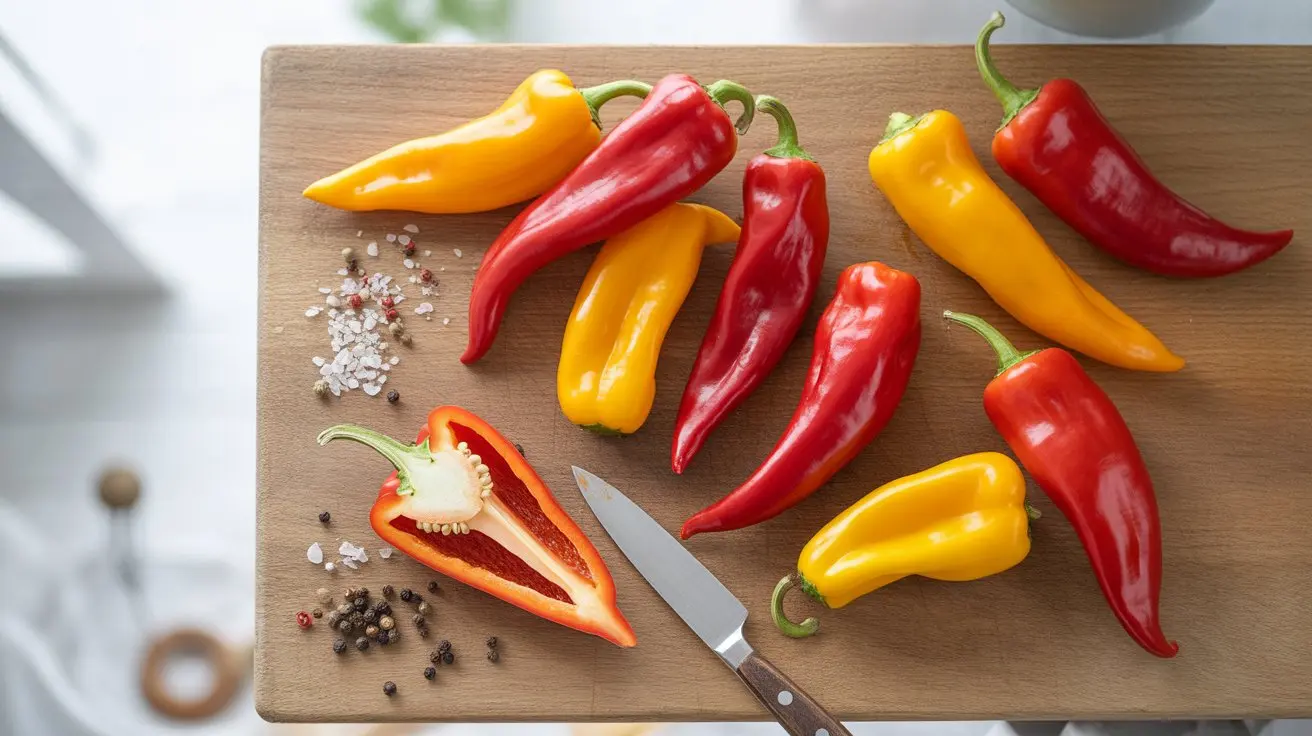
Bullhorn Pepper

The bullhorn pepper is a long, tapered Italian sweet pepper with 0–500 SHU - essentially no heat at all. Named for its curved, horn-like shape, it brings a clean sweetness and thick flesh that performs beautifully roasted, stuffed, or eaten raw. A staple of Italian home cooking, it is gaining traction at farmers markets and specialty grocers across North America.
- Species: C. annuum
- Heat tier: Mild (0–999 SHU)
What is Bullhorn Pepper?
Italy has been growing long sweet peppers for centuries, and the bullhorn is one of the finest expressions of that tradition. Part of the C. annuum botanical family, it registers between 0 and 500 SHU on the Scoville scale - a range that puts it firmly in the mild pepper category alongside other near-heatless varieties.
The defining characteristic is shape: a long, tapered pod that curves gently at the tip, sometimes reaching 20–25 cm in length. The walls are thick and meaty, which is exactly what you want when roasting. That flesh softens into something silky and sweet, with none of the bitterness you sometimes get from thinner-walled peppers.
Color progresses from pale green through yellow to a deep red at full maturity. Red bullhorns are noticeably sweeter, with a more concentrated flavor than their green counterparts. Both stages are edible and useful in the kitchen.
The flavor profile is straightforwardly sweet - mild enough for people who avoid any heat at all, yet interesting enough to carry a dish on its own. Roasted and dressed with olive oil, garlic, and salt, a bullhorn pepper needs nothing else. That simplicity is the point.
History & Origin of Bullhorn Pepper
Sweet elongated peppers have been cultivated throughout southern Italy for generations, and the bullhorn type emerged from that long regional tradition. The European pepper tradition shaped varieties around sweetness and thick flesh suited to roasting and preserving - practical qualities in a pre-refrigeration kitchen.
The name comes from the shape: corno means horn in Italian, and the curved taper does resemble a bull's horn. Closely related to the sweet Italian frying pepper used across Basilicata and Calabria, the bullhorn represents a broader category of Italian long sweet peppers rather than a single fixed variety.
Seeds traveled to North America with Italian immigrants and found their way into home gardens throughout the 20th century. Specialty seed companies began listing them more widely in the 1990s as interest in heirloom and regional vegetable varieties grew.
How Hot is Bullhorn Pepper? Heat Level & Flavor
The Bullhorn Pepper delivers 0–500 Scoville Heat Units, placing it in the Mild tier (0–999 SHU).
Flavor notes: sweet and mild.
Bullhorn Pepper Nutrition Facts & Health Benefits
Like most sweet peppers, bullhorns are nutrient-dense relative to their calorie count. A 100g serving of raw red bullhorn pepper delivers roughly 31 calories, 7g carbohydrates, and 2g fiber. Red-stage fruits are especially high in vitamin C - often exceeding 150% of the daily recommended intake - and contain meaningful amounts of vitamin A from beta-carotene. They also provide vitamin B6**, folate, and potassium. The absence of capsaicin means none of the metabolic effects associated with hot peppers, but the antioxidant content remains high.
Best Ways to Cook with Bullhorn Peppers
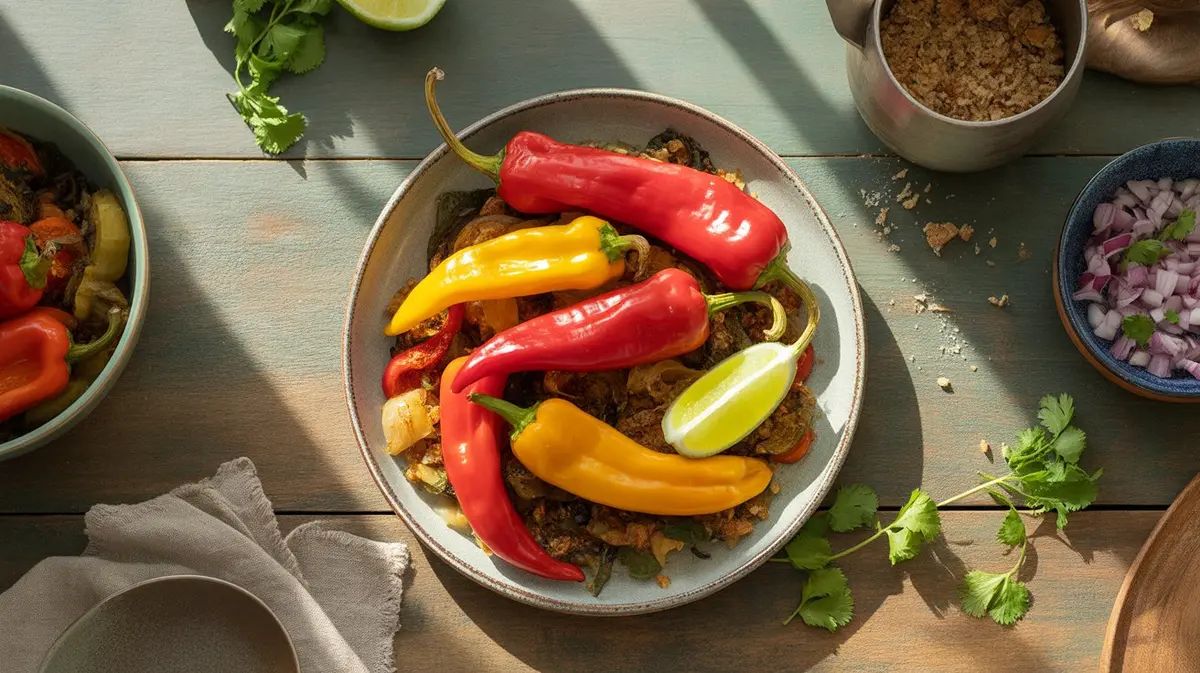
Roasting is where the bullhorn earns its reputation. The thick walls hold up to direct flame or a hot oven, charring to a blistered skin that peels away cleanly to reveal sweet, tender flesh underneath. Dress with good olive oil, a little garlic, and flaky salt - that is the classic Italian preparation, and it works.
Beyond roasting, the long shape makes bullhorns ideal for stuffing. The cavity is generous enough to hold a filling of seasoned rice, ground meat, or cheese without splitting. They also hold together well on a grill, which thinner-walled peppers often fail to do.
Raw, they are crisp and refreshing - good in salads or sliced for a crudite platter. The sweetness is pronounced enough that they pair naturally with salty ingredients: anchovies, capers, aged cheese, cured meats.
For anyone interested in pickling, the mild heat and firm flesh make bullhorns a reasonable candidate alongside practical guidance on pickled jalapenos - the technique transfers directly. They also work as a direct substitute in any recipe calling for the tangy, lightly spiced Italian table pepper when you want a meatier, milder result.
Where to Buy Bullhorn Pepper & How to Store
Bullhorn peppers appear at farmers markets from midsummer through early fall in most of North America. Specialty grocers and Italian delis sometimes stock them; mainstream supermarkets rarely do. Look for firm, glossy skin with no soft spots or wrinkled areas near the stem.
Red fruits will be sweeter; green ones have a slightly more vegetal flavor. Both are worth buying when available.
Store unwashed in the refrigerator crisper drawer for up to 10 days. For longer storage, roast and peel them, then pack in olive oil in a sealed jar - they will keep refrigerated for 2 weeks that way. Freezing raw slices works but softens the texture considerably.
Best Bullhorn Pepper Substitutes & Alternatives
Whether you ran out of bullhorn pepper or just want to try something different, these peppers make solid stand-ins. We picked them based on heat range, flavor overlap, and how well they actually work in the same dishes.
Our top pick: Banana Pepper (0–500 SHU). Same species (C. annuum) and nearly the same heat, so it swaps in at a 1:1 ratio without changing the character of the dish. The flavor leans mild and tangy, which is close enough that most people won’t notice the difference in a cooked recipe.
How to Grow Bullhorn Peppers
Bullhorn peppers follow the standard warm-season pepper calendar. Start seeds indoors 8–10 weeks before the last frost - the indoor starting and transplanting process is the same as any C. annuum variety. Soil temperature for germination should stay above 21°C (70°F).
Transplant outdoors once nighttime temperatures hold above 10°C (50°F). These are vigorous plants that can reach 60–90 cm tall, so spacing of at least 45 cm between plants matters. They benefit from staking once the fruit load develops, as the long pods add real weight.
Full sun is non-negotiable - at least 6 hours daily, 8 is better. Consistent moisture produces the thick, sweet flesh the variety is known for; irregular watering leads to thinner walls and occasionally bitter flavor.
Fruits set green and mature to red over roughly 70–80 days from transplant. Harvesting at the red stage concentrates sweetness, but green fruits are perfectly usable. The growing habit is comparable to the similarly easy-to-grow sweet Italian frying type - productive, low-maintenance, and forgiving for home gardeners.
Frequently Asked Questions
-
They are very closely related - both are long, sweet Italian horn-shaped peppers in the C. annuum species with nearly identical flavor and heat profiles. 'Bullhorn' is essentially an English translation of the Italian name, and the terms are often used interchangeably at markets and in seed catalogs.
-
Bullhorn peppers measure 0–500 SHU - at the same mild heat position on the Scoville ranking as the nearly heatless, earthy sweetness of pimento. Most people experience zero perceptible heat when eating them.
-
Roasting over direct flame or under a broiler is the most popular method, producing sweet, silky flesh once the charred skin is peeled away. Stuffing and grilling are equally good applications given the thick walls and generous cavity.
-
Yes, with some adjustment - bullhorns are sweeter and have thinner walls than bell peppers, so they roast faster and produce less bulk when stuffed. For raw applications, the flavor is comparable, though the elongated shape may require slicing differently.
-
Baker Creek Heirloom Seeds, Territorial Seed Company, and several Italian specialty seed suppliers carry bullhorn or Corno di Toro varieties. Farmers market vendors who grow them are also often willing to sell or share seeds at the end of the season.
- Capsicum annuum Species Overview - Chile Pepper Institute, NMSU
- Sweet Pepper Production - University of California Cooperative Extension
- Nutritional Value of Sweet Peppers - USDA FoodData Central
Species classification: C. annuum — based on published botanical taxonomy.