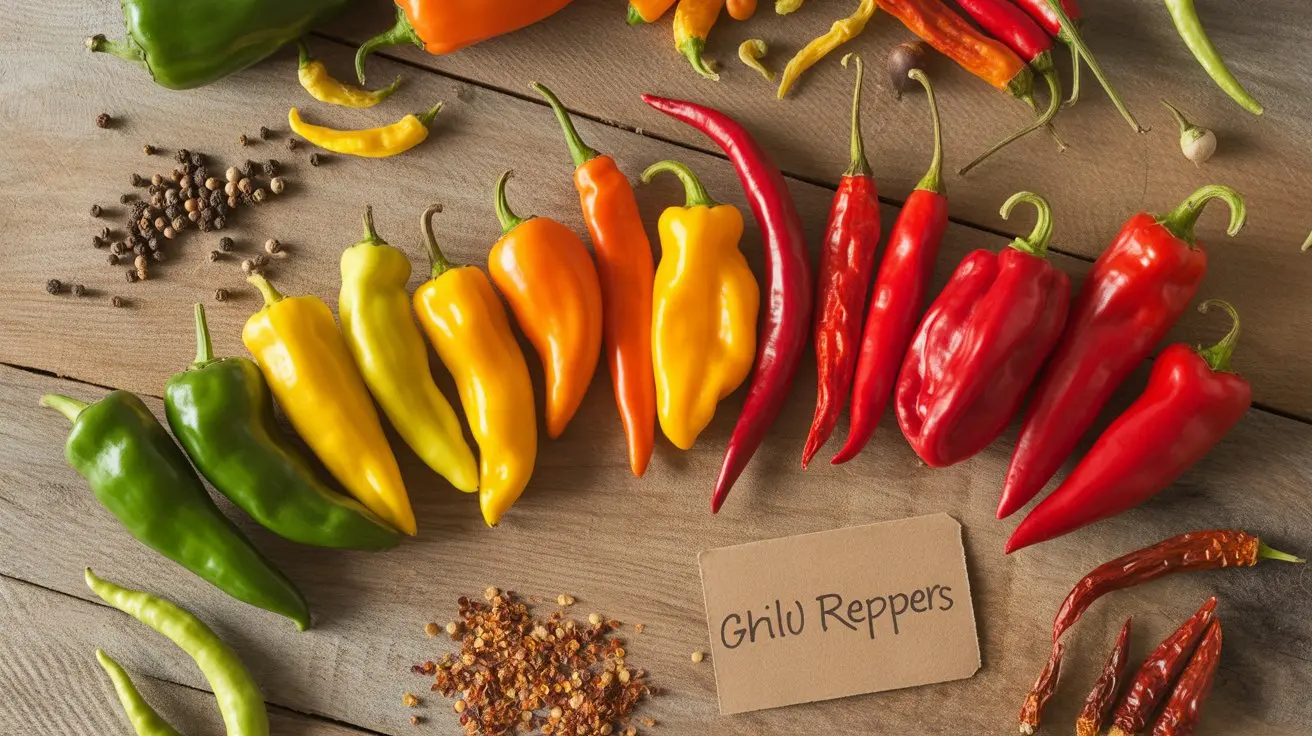
What Is Gochujang? Flavor, Heat, Ingredients, and Uses
Gochujang is a thick Korean fermented red pepper paste made from red pepper powder, a starch source, fermented soybean material, and salt. It combines chile heat, sweetness, salt, acidity, and deep savory flavor.
Gochujang is a thick Korean fermented paste that combines red pepper, grain, soybean, and salt. It behaves like a concentrated cooking base, not a pourable hot sauce.
The paste can taste hot, sweet, salty, tangy, and deeply savory at once. Its dense body clings to food and needs deliberate dilution or cooking in many applications.
What Is Gochujang?
The name joins gochu, meaning chile pepper, with jang, the Korean family of fermented pastes and sauces. Gochujang belongs to that fermented seasoning tradition rather than to the category of fresh blended chile sauces.
Codex's regional standard describes gochujang through red pepper powder, a starch ingredient, fermented soybean material, and salt. Commercial formulas may also use sweeteners, alcohol, seasonings, or different grains within the product rules and local market.
Direct answer: gochujang is a fermented red pepper paste whose grain and soybean components build sweetness, body, and savory depth around the chile.
A 2022 study of 35 Korean cottage-industry products found wide differences in salinity, pH, free amino nitrogen, microbes, alcohol, and volatile compounds. That evidence explains why two authentic jars can smell and taste noticeably different.
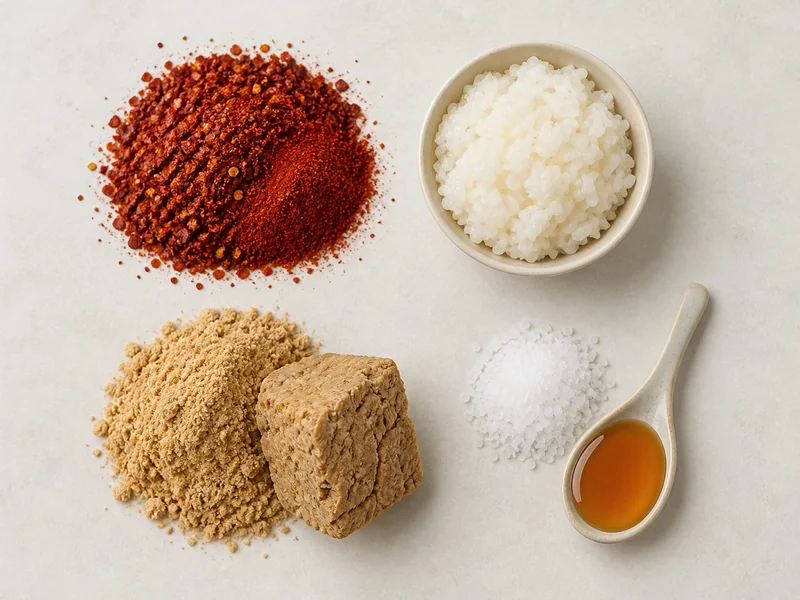
What Is Gochujang Made Of?
Each ingredient group performs a physical or flavor job. Reading those jobs makes a package label easier to interpret.
| Ingredient system | Common forms | What it contributes |
|---|---|---|
| Red pepper | Gochugaru or ground Korean red pepper | Color, chile aroma, and pungency |
| Starch source | Glutinous rice, rice, wheat, barley, or another cereal | Body and carbohydrates that fermentation can break into sweetness |
| Fermented soybean | Meju powder or prepared soybean component | Protein-derived savory depth and fermentation character |
| Salt and optional additions | Salt, grain syrup, sugar, alcohol, aromatics | Seasoning, preservation support, sweetness, and formula adjustment |
Glutinous rice describes sticky rice, not added gluten. A wheat-based formula can contain gluten, however, so the allergen statement and ingredient list still matter.
Gochugaru is the red pepper ingredient, not a synonym for the finished paste. The dry flakes or powder contribute chile character, while the other systems create gochujang's density and fermented taste.
How Is Gochujang Fermented?
Microbes and enzymes act on the prepared grain and soybean components over time. Starches break toward simpler sugars, while proteins release smaller compounds that strengthen savory taste.
- Prepare the base. Grain and soybean materials provide starch, protein, and fermentation organisms or enzymes.
- Add red pepper and salt. The pepper sets color and pungency while salt shapes the fermentation environment.
- Ferment and mature. Acids, amino compounds, alcohols, and aroma molecules change as the paste develops.
- Blend and package. Producers adjust texture and consistency for the intended product.
Research on traditional products found bacteria and yeasts across broad count ranges and identified multiple yeast species. This diversity is evidence of active fermentation, but it does not make every retail spoon a dependable probiotic dose.
Heat processing, filtration, storage, and the organisms in a specific jar all matter. Treat gochujang as a fermented food ingredient, not as a medical supplement.
How Is Gochujang Different From Other Korean Condiments?
Several Korean pantry terms sit close together but do different jobs. Texture and fermented base usually separate them faster than color.
| Ingredient | Core identity | Best starting role |
|---|---|---|
| Gochujang | Fermented red pepper, grain, and soybean paste | Cooking base, marinade, thick sauce, glaze |
| Gochugaru | Dry Korean red pepper flakes or powder | Kimchi, seasoning, color and chile without paste body |
| Doenjang | Fermented soybean paste without gochujang's red pepper identity | Soups, stews, savory seasoning |
| Ssamjang | Seasoned dipping paste commonly built from doenjang and gochujang | Ready dip for wraps and grilled food |
| Sriracha | Pourable chile sauce with garlic, vinegar, and sugar | Finishing squeeze and quick sauce |
Substituting one for another changes more than heat. Gochugaru lacks fermented body, doenjang lacks the red chile profile, and sriracha brings more free liquid and acidity.
A recipe that needs a spoonful of paste for coating or body will not behave the same with a spoonful of sauce. Match consistency, salt, sweetness, and fermentation character separately.
How Spicy Is Gochujang?
Gochujang has no universal Scoville rating because brands change the red pepper amount and the balance of grain, sweetener, soybean, and salt. Some packages use a numbered or worded heat grade, but the scale belongs to that producer or market standard.
- Check the printed heat level when comparing products within one brand.
- Read red pepper position in the ingredient list for a rough formula clue, not an exact heat measure.
- Expect heat to build because sweetness and dense texture can soften the first impression.
- Use less in uncooked sauces until salt, sweetness, and chile strength are balanced.
Thickness also defeats drop-for-spoon comparisons with hot sauce. A tablespoon of paste carries grain, soy, salt, and sweet components along with chile, so heat alone cannot define the dose.
What Does the Gochujang Nutrition Label Tell You?
Gochujang nutrition varies by grain, sweetener, salt, concentration, and labeled serving. The small amount used in one sauce can differ greatly from the amount used in a marinade or stew.
| Label line | Why it varies | Practical reading |
|---|---|---|
| Sodium | Salt is central, but formulas and serving sizes differ | Compare equal gram servings and season the dish afterward |
| Total and added sugar | Grain fermentation and added syrup or sugar both contribute sweetness | Check ingredients as well as the number |
| Carbohydrate | Rice, wheat, barley, and sweeteners supply starch or sugar | Scale the value to the amount actually eaten |
| Protein | Soybean contributes protein, but condiment portions are small | Do not treat the paste as a primary protein source |
Fermented-food research and laboratory studies do not turn a condiment into a treatment. Choose gochujang for flavor and use the jar's current nutrition and allergen label for dietary decisions.
What Is Gochujang Used For in Korean Cooking?
A 2024 Journal of Ethnic Foods review names bibimbap, tteokbokki, dakdoritang, dakgalbi, bulgogi, maeuntang, and ssam among foods that use gochujang. The list matters because the paste does not enter each dish at the same concentration or stage.
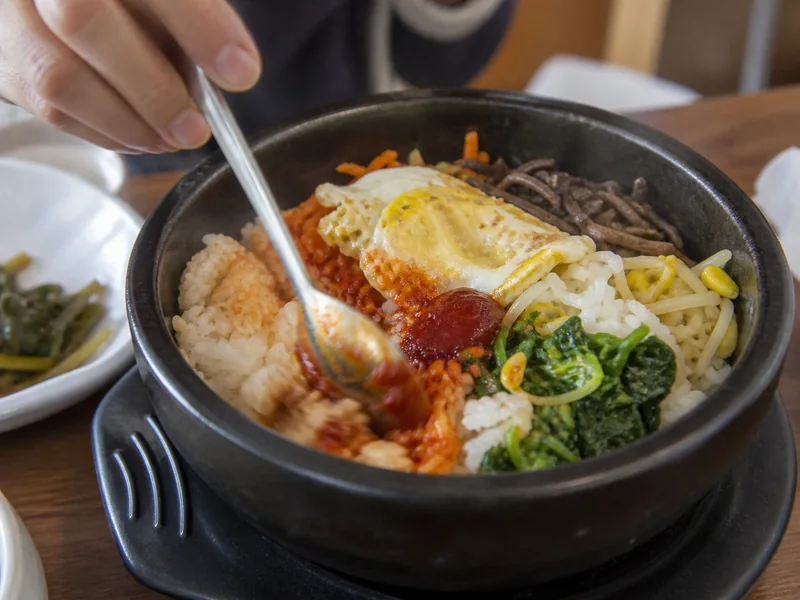
Bibimbap spreads a concentrated spoonful through the bowl
In bibimbap, gochujang is mixed with rice, vegetables, meat or egg, sesame oil, and other toppings. The cook is distributing a concentrated seasoning through a full bowl, so a small amount can supply chile, salt, sweetness, and fermented depth without turning the rice into soup.
Tteokbokki turns the paste into a simmering sauce
Tteokbokki takes the opposite physical route. Gochujang is dissolved with liquid and seasonings, then simmered around rice cakes so the starch-thickened sauce coats their surface.
The paste's existing sugar and salt still count toward the finished sauce. Taste after it dissolves before adding more sweetener, soy sauce, or gochugaru.
Braises, marinades, and ssam use different concentrations
Dakdoritang and dakgalbi cook gochujang with meat, vegetables, and liquid or released juices. A marinade needs enough thinning to coat evenly, while a ssam seasoning stays thicker because each lettuce wrap receives only a small portion.
These cases give the jar a better starting question than what goes with gochujang. Decide whether the paste must disperse through a bowl, become a simmered sauce, coat food before cooking, or remain concentrated at the table.
How Do You Cook With Gochujang?
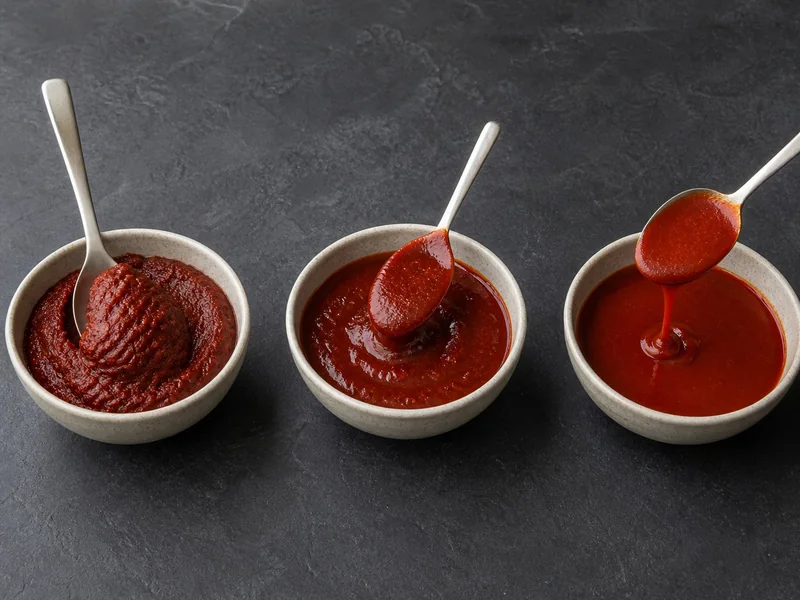
The paste becomes easier to control when you choose a physical job first. Water, stock, vinegar, oil, or another sauce can loosen it, but each liquid changes flavor as well as consistency.
| Method | What to do | Best starting uses |
|---|---|---|
| Dilute | Whisk with water, stock, vinegar, or sesame oil until pourable | Bibimbap sauce, dressings, dips |
| Bloom | Stir briefly into a moist or oily base over moderate heat | Stews, soups, braises, fried rice |
| Marinate | Balance with liquid, aromatics, and enough time to coat | Meat, tofu, mushrooms, vegetables |
| Glaze | Thin and brush on late or cook over controlled heat | Roasted vegetables, chicken, fish, rice cakes |
| Finish | Blend a small amount into butter, mayonnaise, yogurt, or a dip | Condiments and table sauces |
Gochujang contains carbohydrates and often added sweetener, so a thick coating can scorch before the food finishes. Use moderate heat and apply a glaze later when the surface cooks over direct heat.
For tteokbokki or a stew, dissolve the paste into liquid before judging intensity. An undissolved lump creates a salty hot pocket while the surrounding sauce remains weak.
How Do You Choose and Store Gochujang?
Start with the ingredient order, heat grade, and allergen statement. Rice-based and wheat-based products can behave similarly in a sauce but matter differently to a person avoiding gluten.
- Choose the use. A marinade can accept a sweeter paste, while a stew may benefit from more fermented depth.
- Compare equal servings. Nutrition numbers are meaningless when one label uses a much smaller serving.
- Follow the package after opening. Refrigerate when directed and keep the lid sealed.
- Use a clean, dry utensil. Wet spoons and steam introduce moisture and food residue.
- Inspect before use. Discard the paste for abnormal mold, package swelling, or an odor that differs clearly from its usual fermented aroma.
Color can darken and the surface can dry during storage without proving the paste is unsafe. The package date, storage directions, contamination signs, and the product's normal aroma give better evidence.
What Is Gochujang? Flavor, Heat, Ingredients, and Uses FAQ
- Regional Standard for Gochujang
- Physicochemical, Microbial, and Volatile Compound Characteristics of Gochujang, Fermented Red Pepper Paste, Produced by Traditional Cottage Industries
- Physicochemical Characteristics and Microbial Communities in Gochujang, a Traditional Korean Fermented Hot Pepper Paste
- Process Specific Differential Metabolomes for Industrial Gochujang Types Manufactured Using White Rice, Brown Rice, and Wheat
- Gochujang, a Korean Traditional Fermented Soybean Product: History, Preparation and Functionality